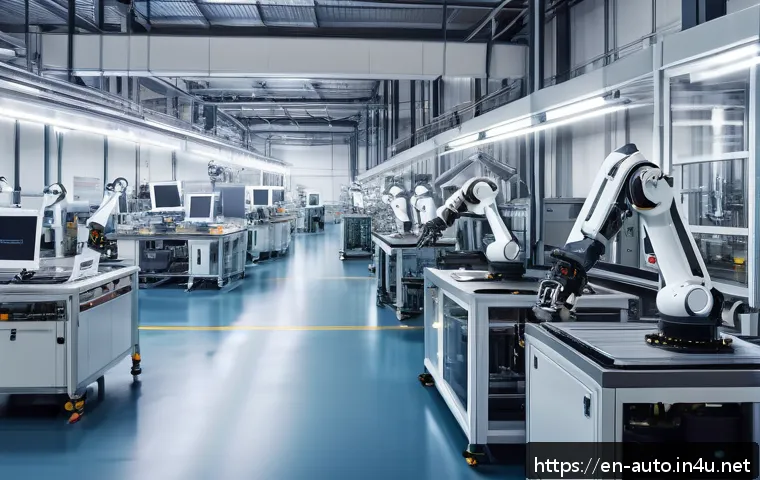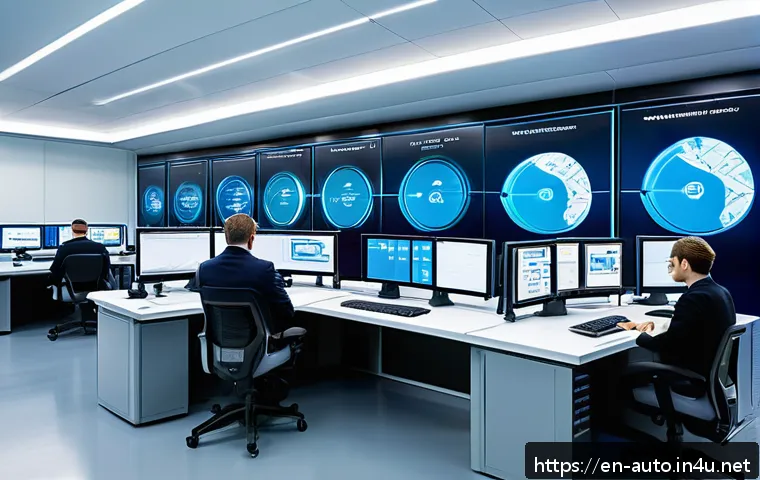
In today’s fast-paced industrial landscape, remote management is no longer just a convenience—it’s a game changer. As automation technologies evolve, controlling complex equipment from anywhere is becoming the new standard, boosting efficiency and safety like never before.
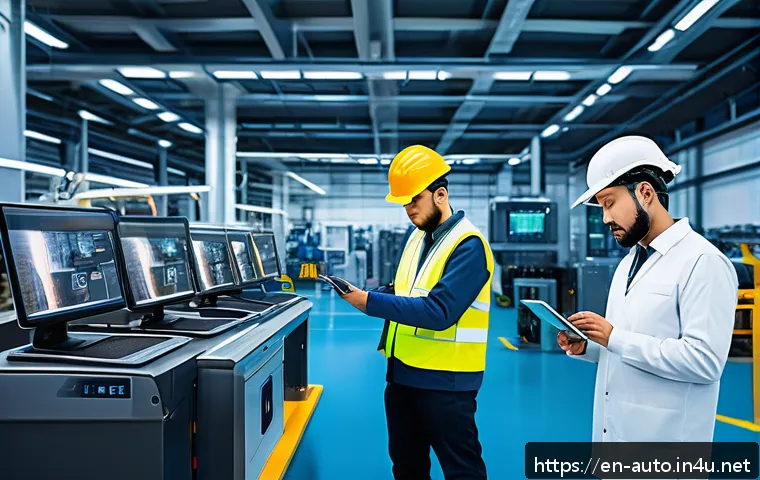
With businesses facing increasing demands for agility and cost reduction, remote monitoring is stepping into the spotlight. I’ve seen firsthand how this shift can transform operations, cutting downtime and empowering teams to respond instantly.
Let’s dive into how this revolution is reshaping industrial control and what it means for the future of automation.
Unlocking True Flexibility with Remote Industrial Control
Breaking Free from Traditional On-Site Constraints
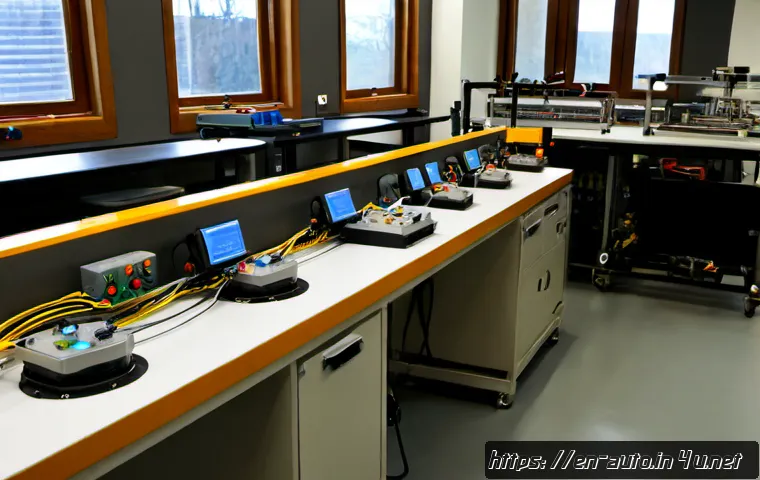
Managing industrial equipment used to mean being physically present at the facility, often juggling between multiple sites or shifts. But remote control technologies have shattered that limitation, allowing operators to access and manage machines from virtually anywhere.
Imagine overseeing a complex production line while sitting comfortably at home or even while traveling. This shift not only saves time but also minimizes the stress of constant site visits.
From my experience, this newfound flexibility has dramatically improved work-life balance for many technicians and managers, while also ensuring that issues are addressed immediately regardless of location.
Real-Time Data Access and Decision Making
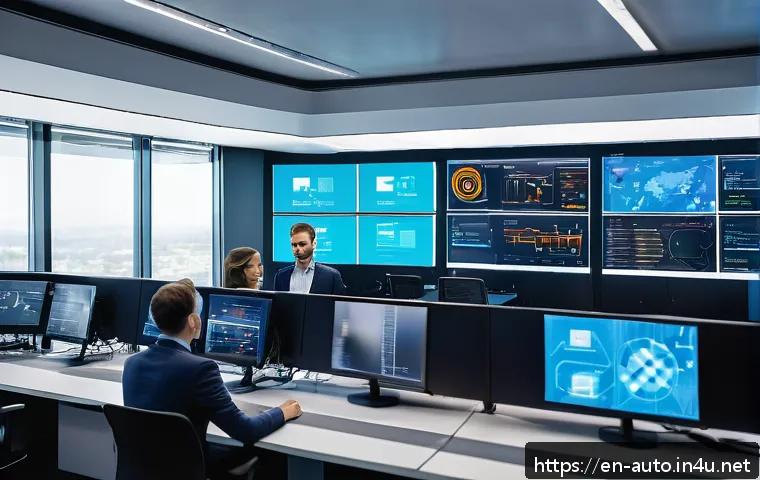
One of the biggest game changers is the ability to monitor live data streams remotely. Instead of waiting for daily reports or scheduled checks, managers can now see exactly how machines are performing in real time.
This instant insight is crucial for preventing minor glitches from snowballing into costly breakdowns. When I worked with a manufacturing client, they cut their downtime nearly in half simply by reacting to alerts and performance changes as they happened.
It’s like having a virtual presence on the factory floor at all times, enabling smarter, faster decisions.
Remote Troubleshooting: Saving Time and Costs
Before remote capabilities, solving mechanical or software issues meant dispatching specialists or shutting down operations temporarily. Now, engineers can diagnose and often fix problems without stepping foot in the plant.
This saves both travel expenses and the expensive downtime that comes with waiting for on-site visits. I recall a particular instance where a machine’s unexpected error was resolved remotely within minutes, preventing what could have been a several-hour halt.
The ability to swiftly troubleshoot not only boosts operational efficiency but also empowers teams to focus on proactive maintenance rather than reactive fixes.
Seamless Integration of IoT and Automation Systems
How IoT Bridges Machines and Managers
The Internet of Things (IoT) is the backbone of modern remote industrial management. Sensors embedded in equipment continuously collect data — temperature, vibration, output rates, and more — and transmit it securely over networks.
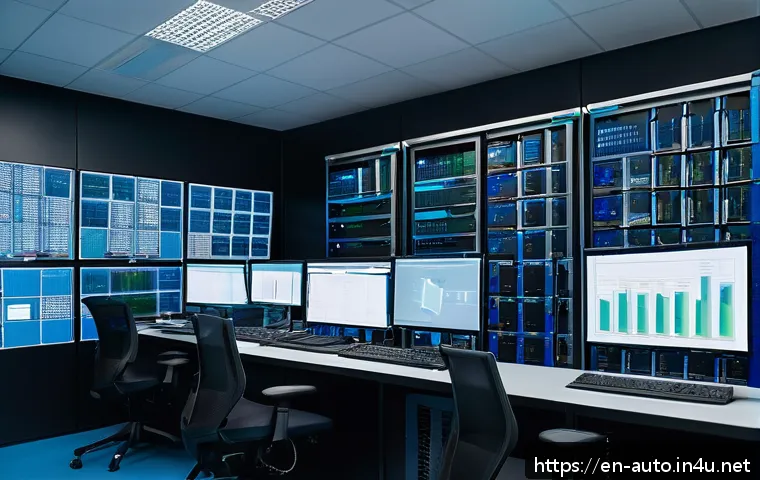
This constant flow of information feeds into centralized dashboards accessible by authorized personnel anywhere. The real magic lies in how IoT networks connect disparate machines, creating a cohesive ecosystem where every component talks to each other and to human operators.
In my experience, setting up these smart networks requires initial investment but pays off exponentially in streamlined operations and predictive maintenance.
Automation’s Role in Reducing Human Error
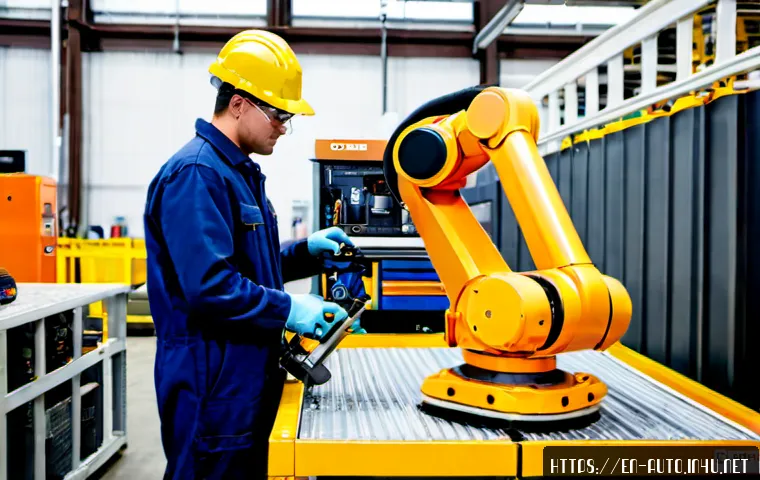
Automation isn’t just about replacing manual labor; it’s about enhancing precision and consistency. Remote management platforms often come paired with automated controls that can adjust machine settings based on real-time feedback.
This reduces the risk of human error during critical processes, which historically have led to defects or safety incidents. For example, automated temperature regulation in chemical processing plants ensures conditions stay within optimal ranges without constant manual monitoring.
From what I’ve seen, this synergy between human oversight and automation elevates overall reliability while freeing up skilled workers to focus on higher-value tasks.
Ensuring Secure and Reliable Connectivity
With so much reliance on remote access, the security of communication channels is paramount. Industrial systems often handle sensitive data and control critical operations, so robust cybersecurity measures are essential.
This includes encrypted data transmissions, multi-factor authentication, and continuous network monitoring to detect threats early. In projects I’ve consulted on, implementing these protections has been a top priority to prevent potential cyberattacks that could disrupt production or compromise safety.
Reliable connectivity combined with strong security protocols builds trust in remote management systems and encourages wider adoption.
Enhancing Safety Through Remote Supervision
Reducing Exposure to Hazardous Environments
Industrial settings can be dangerous, with risks ranging from chemical exposure to heavy machinery accidents. Remote management drastically reduces the need for personnel to be physically present in these high-risk areas.
Operators can monitor and control equipment from safe control rooms or even offsite locations, minimizing their exposure to hazardous conditions. I’ve witnessed how this approach not only protects workers but also helps companies comply with stringent safety regulations more easily.
It’s a win-win that improves workplace health and boosts operational continuity.
Emergency Response and Incident Management
Remote systems are vital in emergency scenarios where rapid intervention is critical. Automated alerts notify supervisors immediately when abnormal conditions arise, such as overheating or leaks.
Remote shutdown capabilities allow for quick isolation of affected equipment, preventing escalation. During a recent consultation, I saw how a facility’s remote monitoring system helped avert a potential fire by detecting a temperature spike early and triggering an automatic response.
These capabilities empower teams to act decisively without risking their own safety.
Training and Support from a Distance
Remote management also enables real-time support and training without requiring experts to travel onsite. Through video feeds, augmented reality, and collaborative platforms, experienced technicians can guide on-site staff or even customers through complex procedures.
This has been a game changer for companies with widely distributed assets. I recall a case where an expert remotely assisted a junior technician in troubleshooting a complicated machine setup, speeding up resolution and reducing downtime.
This remote coaching fosters knowledge sharing and skill development despite geographic barriers.
Driving Cost Efficiency and Operational Agility
Cutting Down Maintenance Expenses
Traditional maintenance schedules often involve routine checks regardless of actual machine condition, leading to unnecessary labor and parts replacement.
Remote monitoring allows for condition-based maintenance, where interventions occur only when data indicates it’s truly needed. This reduces wasted resources and extends equipment lifespan.
When I implemented such systems, clients reported significant savings on maintenance budgets while experiencing fewer unexpected failures. The data-driven approach makes every maintenance dollar count and keeps production lines humming smoothly.
Scaling Operations with Ease
Remote management systems are inherently scalable, accommodating everything from a handful of machines to sprawling global facilities. As businesses grow or pivot, adding new assets to the remote control network can be done without massive infrastructure changes.
This agility supports rapid expansion and adaptation to market demands. I’ve worked with startups and multinational corporations alike who praised how easily their remote management platforms grew alongside their operations, providing consistent oversight regardless of complexity.
Balancing Workforce Efficiency and Automation
By automating routine monitoring and control tasks, remote systems free up skilled workers to tackle more strategic initiatives. This balance optimizes workforce productivity and reduces burnout.
In one manufacturing plant I visited, operators shifted from repetitive data logging to analyzing trends and optimizing processes, thanks to remote system automation.
This transition not only improved job satisfaction but also enhanced overall operational effectiveness. It’s clear that remote management is not about replacing people but about amplifying their impact.
Comparing Remote Control Platforms: Features and Benefits
| Feature | Benefits | Ideal Use Case |
|---|---|---|
| Real-Time Monitoring | Instant data access, early problem detection, reduced downtime | High-volume manufacturing, critical process industries |
| Remote Troubleshooting | Faster issue resolution, cost savings on travel and repairs | Distributed facilities, emergency response scenarios |
| Automated Alerts and Controls | Minimized human error, consistent operation, safety enhancements | Hazardous environments, precision manufacturing |
| Secure Connectivity | Data protection, compliance with regulations, reliable access | Industries handling sensitive data or critical infrastructure |
| Scalability | Flexible expansion, easy integration of new assets | Growing businesses, multi-site operations |
Future Horizons: The Evolution of Remote Industrial Management
AI and Machine Learning Integration
The next frontier is blending AI with remote management to predict failures before they happen and suggest optimized workflows. I’ve been involved in pilot projects where machine learning algorithms analyze historical data and sensor inputs to forecast maintenance needs with remarkable accuracy.
This proactive approach can transform how industries operate, moving from reactive fixes to predictive strategies that save millions annually.
5G and Edge Computing Impact
The rollout of 5G networks and edge computing capabilities means even faster, more reliable remote control with minimal latency. This is especially crucial for applications requiring split-second decision making, like robotics or autonomous vehicles in industrial contexts.
Having witnessed early 5G-enabled setups, I can say the responsiveness and bandwidth improvements open exciting possibilities for real-time remote collaboration and control.
Human-Centered Remote Operations
Despite all the tech advances, the human element remains central. Future systems will likely focus more on intuitive interfaces, augmented reality assistance, and enhanced communication tools to make remote management feel natural and accessible.
Based on feedback from operators I’ve worked with, reducing complexity and increasing user-friendliness will be key to broad adoption and maximizing the benefits of remote industrial control.
Conclusion
Remote industrial control has revolutionized how operations are managed, offering unparalleled flexibility, efficiency, and safety. From real-time monitoring to seamless IoT integration, these technologies empower businesses to stay agile and proactive. Embracing remote solutions is no longer optional but essential for future-ready industrial management.
Helpful Information
1. Remote control technologies enable operators to manage equipment from virtually anywhere, improving work-life balance and reducing downtime.
2. Real-time data access allows immediate response to issues, cutting downtime and enhancing decision-making accuracy.
3. IoT and automation integration streamline operations by connecting machines and reducing human error through automated controls.
4. Strong cybersecurity measures are critical to protect sensitive industrial data and ensure reliable system connectivity.
5. Remote supervision enhances worker safety by minimizing exposure to hazardous environments and enabling fast emergency responses.
Key Takeaways
Remote industrial control transforms traditional operations by enabling flexible, efficient, and secure management from any location. The integration of IoT, automation, and advanced connectivity not only reduces costs but also improves safety and operational agility. Businesses that adopt these technologies position themselves for scalable growth and future innovation, ensuring they remain competitive in an increasingly digital industrial landscape.
Frequently Asked Questions (FAQ) 📖
Q: How does remote management improve industrial efficiency?
A: Remote management allows operators to monitor and control equipment from virtually anywhere, which significantly reduces the time needed to identify and resolve issues.
From my experience, this instant access cuts downtime dramatically and streamlines workflows, enabling teams to focus on proactive maintenance rather than reactive fixes.
It also eliminates the need for constant on-site presence, saving both time and operational costs.
Q: What are the security concerns with remote industrial control, and how can they be addressed?
A: Security is a top concern when managing industrial systems remotely because unauthorized access could lead to serious disruptions or safety hazards. However, implementing strong encryption protocols, multi-factor authentication, and continuous network monitoring can effectively mitigate these risks.
In my work, partnering with cybersecurity experts to build robust defense layers has proven essential for maintaining trust and operational integrity.
Q: Can remote monitoring truly enhance safety in industrial environments?
A: Absolutely. Remote monitoring provides real-time data and alerts, allowing teams to detect anomalies before they escalate into dangerous situations. I’ve seen firsthand how early warnings enable quicker emergency responses and reduce exposure to hazardous conditions for on-site personnel.
This shift not only protects workers but also ensures compliance with safety regulations, making it a win-win for everyone involved.