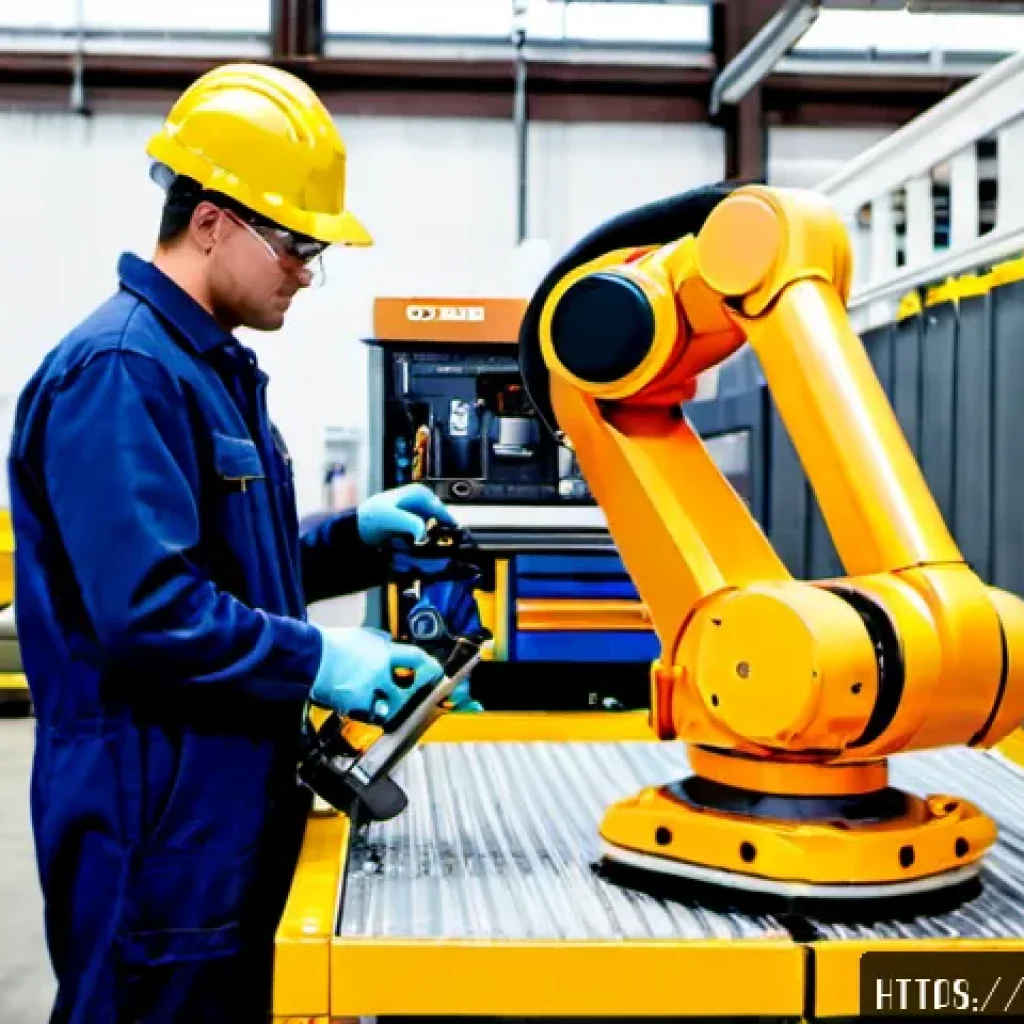
Industrial robot maintenance works best when it follows the manufacturer’s documentation, the site’s safety controls, and an inspection schedule suited to actual operating conditions.
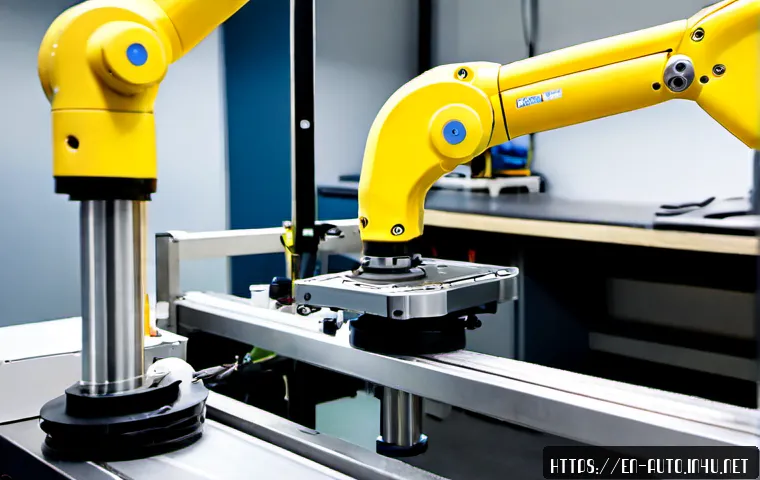
Before work begins, energy sources should be isolated and verified as required by site procedures. A useful maintenance process also checks the robot, controller connections, and end-of-arm tooling for wear, damage, and unresolved faults.
The exact tasks, intervals, lubricants, and replacement parts depend on the robot model and its application. Careful records turn each service visit into information that can help identify recurring issues.
The checklist below provides a practical structure without replacing approved instructions for a specific cell.
Prepare the Work Area and Review Documentation
Start by reviewing the approved documentation for the installed robot, controller, tooling, and cell equipment. The maintenance plan should reflect the manufacturer’s instructions as well as the robot’s real duty cycle and environment. Conditions such as dust, heat, moisture, washdown exposure, or corrosive materials may affect what needs attention and how often it is inspected.
Check the maintenance history and active alarms
Read prior maintenance records before opening the cell or removing covers. Look for repeated faults, recently replaced components, unresolved follow-up items, and patterns related to a particular axis, cable route, tool, or production task. Review active alarms and recent fault information through the approved interface, then make sure the reported condition is understood before maintenance begins. Do not treat a recurring alarm as a minor issue simply because the robot is currently running.
Confirm personnel, tools, parts, and safety controls
Confirm that the people performing the work are authorized under site requirements and understand the assigned tasks. Gather the approved tools, specified replacement parts, and manufacturer-approved materials before taking equipment out of service. Check that access controls, barriers, warning signs, and communication arrangements are ready for the work. If the job involves end-of-arm tooling, include the tooling documentation because it may have separate mechanical, pneumatic, hydraulic, electrical, or vacuum hazards.
Isolate Energy and Secure the Robot Cell
Maintenance should not begin until the robot cell has been secured according to site safety procedures. A robot may have more than one energy source, and stopping motion at the controller does not necessarily remove all hazards. The required isolation method and authorized-person rules depend on the site, so they must be confirmed rather than assumed.
Address electrical, pneumatic, hydraulic, gravity, and stored-energy risks
Identify every relevant source of energy before work starts. This can include electrical power, compressed air, hydraulic pressure, vacuum, suspended loads, gravity-related movement, and energy stored in components or tooling. Secure the robot and any attached equipment so that unexpected movement, pressure release, or loss of support cannot create a hazard. Pay close attention to grippers, fixtures, and tooling that may retain pressure, hold a workpiece, or move when energy is released.
Verify isolation before entering the safeguarded area
After applying the required site isolation controls, verify that the equipment is in the expected safe condition before entering the safeguarded area or touching components. The verification method should follow the site’s approved procedure. Keep the work area controlled while maintenance is underway, especially where more than one person, shift, or contractor may be involved. If conditions change during the task, stop and reassess the controls.
Inspect Mechanical, Electrical, and Tooling Components
A structured inspection can reveal damage before it becomes a production interruption. Focus on components exposed to repeated movement, vibration, heat, contact, contamination, or routing stress. Compare findings with the approved condition criteria for that robot and cell rather than relying on a general visual impression alone.
Check cables, connectors, fasteners, dress packs, and joint condition
Inspect robot cables and dress packs for abrasion, pinching, twisting, loose routing, damaged outer coverings, or signs of interference through the robot’s working envelope. Examine connectors for damage, contamination, poor engagement, or strain. Check accessible fasteners and mechanical interfaces according to approved instructions; required torque values vary and should not be guessed. Observe joint areas for unusual condition indicators, including contamination, physical damage, or signs that warrant further review under the manufacturer’s guidance.
Examine grippers, sensors, hoses, and fixture interfaces
End-of-arm tooling deserves its own inspection because it often combines several hazard types. Examine grippers, sensors, hoses, vacuum lines, electrical leads, and fixture interfaces for wear, leakage, looseness, damage, or poor alignment. Verify that cables and hoses have adequate protection from moving parts and sharp edges. A tooling issue can appear as a robot fault, a handling problem, or an intermittent production defect, so document the exact location and observed condition.
| Inspection area | What to review | Why it matters |
|---|---|---|
| Robot arm and dress pack | Cable routing, abrasion, connectors, accessible fasteners, joint-area condition | Repeated motion can expose wiring and mechanical interfaces to wear. |
| End-of-arm tooling | Grippers, sensors, hoses, vacuum lines, electrical leads, and fixture connections | Tooling can introduce separate energy sources and failure points. |
| Cell condition | Contamination, moisture, heat exposure, dust, and signs of interference | Operating conditions may change the maintenance needs of the equipment. |
| Records and alarms | Fault history, previous repairs, replaced parts, and follow-up items | History helps identify recurring conditions instead of isolated symptoms. |
Service Components According to Approved Instructions
Service work should follow the applicable manufacturer documentation for the specific robot, controller, and installed tooling. This is particularly important for lubrication, wear items, replacement parts, and assembly requirements. A general checklist can identify where to look, but it cannot establish the correct material, interval, or setting for a particular machine.

Apply approved lubrication and replace specified wear items
Use only the lubricant, replacement part, and service method specified in the approved instructions. Required intervals and parts vary by model, controller generation, tooling, duty cycle, and environment. Record what was applied or replaced, including the affected location and the reason for the work. If an expected wear item is unavailable, do not substitute a part or material without appropriate approval.
Clean components without damaging seals, sensors, or safety devices
Remove dirt and process contamination using a cleaning method compatible with the equipment. Avoid actions that could damage seals, sensors, connectors, cable insulation, safety devices, or protective coverings. Do not allow cleaning activity to hide leaks, cracks, or wear that should be recorded and evaluated. Where washdown, moisture, or corrosive exposure is present, confirm the approved approach for that installation before proceeding.
Restore Operation, Test Safeguards, and Document Results
Returning a robot to service is a controlled step, not simply the end of the repair. Restore the cell only through the site’s approved process, with personnel clear of hazards and all required guards, devices, and connections returned to their intended condition. Any abnormal result during restart should be addressed before normal production resumes.
Perform controlled functional checks before production restart
Carry out functional checks in a controlled manner appropriate to the cell and approved procedures. Confirm that the robot, end-of-arm tooling, sensors, and related interfaces behave as expected. Test applicable safeguards and safety-related devices according to site and manufacturer requirements. Watch for unusual motion, alarm recurrence, communication problems, tooling response issues, or evidence that the original condition remains unresolved.
Record findings, corrective actions, and follow-up tasks
Complete the maintenance record while details are still clear. Include inspections performed, faults observed, parts replaced, approved materials used, corrective actions, test results, and any work that remains open. Good records make it easier to compare future inspections, track repeated alarms, and plan further action when a condition cannot be fully resolved during the current maintenance window.
Closing Thoughts
A dependable industrial robot maintenance procedure is built around preparation, controlled isolation, focused inspection, approved service work, and documented verification. The safest approach is to treat the robot cell and its tooling as an integrated system rather than inspecting the robot arm alone. Manufacturer documentation and site procedures should guide the details for each installation. When records show repeating faults or unusual wear, the next maintenance plan may need adjustment based on the actual operating conditions.
Useful Information to Keep in Mind
1. Maintenance intervals should be based on manufacturer documentation and actual operating conditions. 2. End-of-arm tooling may contain separate mechanical, pneumatic, hydraulic, electrical, or vacuum hazards. 3. Torque values, lubricants, and replacement parts must be confirmed for the specific equipment. 4. Active alarms and previous repair records can point to issues that a visual inspection alone may miss. 5. A controlled restart should include checks of the relevant safeguards and cell operation.
Key Points at a Glance
Do not begin maintenance until required energy isolation and verification are complete under site procedures. Inspect moving cables, connections, mechanical interfaces, and tooling carefully, then service only according to approved instructions. Finish by performing controlled checks and creating a clear record of findings, repairs, and follow-up tasks.
Frequently Asked Questions
Q1. What is included in routine industrial robot maintenance?
A1. Routine maintenance commonly includes reviewing maintenance history and active alarms, securing the cell, inspecting cables, connectors, dress packs, mechanical interfaces, and end-of-arm tooling, and servicing specified items under approved instructions. The exact scope depends on the robot model, controller, tooling, environment, and operating conditions.
Q2. How do you safely isolate an industrial robot before maintenance?
A2. Identify all relevant energy sources, including electrical, pneumatic, hydraulic, gravity-related, vacuum, and stored-energy hazards. Apply the site’s required energy-isolation procedure, secure the robot and tooling as needed, and verify isolation before entering the safeguarded area. Site-specific rules and authorized-person requirements should be confirmed before work begins.
Q3. What should be checked after industrial robot maintenance is completed?
A3. Before production restart, confirm that connections, guards, safety-related devices, and tooling are returned to their intended condition. Perform controlled functional checks according to approved procedures, watch for alarms or abnormal behavior, and document the inspection results, repairs, replaced parts, and any follow-up work required.