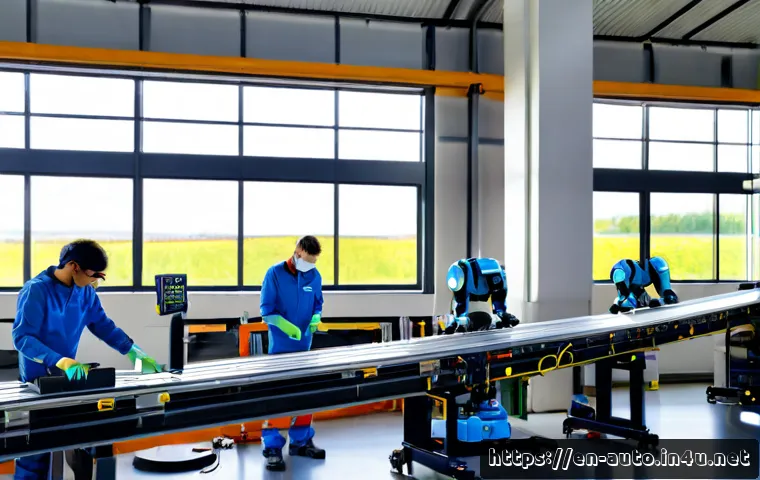
Factory automation can support sustainability when it reduces energy waste, scrap, downtime, and resource use. Compare retrofit options, software needs, implementation costs, and ROI factors before choosing a solution.

Automation supports sustainability only when measurable reductions in energy waste, scrap, rework, or downtime outweigh the energy and resources required to run and implement the system.
The right investment is usually the one that addresses a verified production bottleneck, not the one with the most features. For many plants, an energy-monitoring project or a targeted machine retrofit can be a practical first comparison point before considering full-line replacement.
The choice depends on existing controls, production workflows, safety requirements, available data, and the disruption the facility can absorb. A clear scope also makes it easier to compare automation platforms, smart sensors, industrial software, and systems integrator proposals.
Start with a baseline, define the problem to solve, and assess lifecycle support before treating automation as a sustainability solution.
At a Glance
- Sustainable automation is measurable: track energy use, material waste, and uptime before and after changes.
- More equipment is not automatically greener: automated assets consume energy, so design and utilization matter.
- Retrofitting, monitoring, and modernization solve different problems: compare disruption, integration needs, and total cost.
| Automation Option | Best Use Case | Main Cost Drivers | Data Requirement |
|---|---|---|---|
| Retrofit controls and sensors | Aging machinery with usable mechanical systems and limited capital flexibility | Control compatibility, wiring, safety integration, installation downtime | Machine status, production counts, energy or utility measurements |
| Energy monitoring and industrial software | Plants that need a baseline before selecting larger automation investments | Meters, sensor placement, software subscriptions, data integration | Energy data linked to production activity where practical |
| Robotics and machine vision | Repeatable tasks where consistency, handling, inspection, or workflow control is the constraint | End-of-arm tooling, guarding, programming, workflow redesign, training | Cycle, quality, fault, and utilization data |
| Full-line modernization | High-volume lines where existing equipment, controls, and workflow limits are interconnected | Equipment, integration, commissioning, downtime, operator training, software support | Broad production, maintenance, quality, and utility baseline data |
When Automation Actually Supports a More Sustainable Factory
Automation is most useful when it improves a process that already has a measurable problem. That problem may be excessive material scrap, repeated rework, avoidable idle time, unstable cycle performance, or poor visibility into energy use. The sustainability case should be tied to an operating outcome, rather than to the presence of robotics, sensors, or software alone.
The Three Outcomes to Measure: Energy, Material Waste, and Uptime
Start with three practical questions. How much energy does the process use during production, idle periods, and changeovers? Where does material become scrap or require rework? How often does a machine, cell, or line stop when it should be producing? Sensors, meters, and industrial software can help turn these questions into usable production and energy data.
A plant does not need to measure everything at once. A focused baseline around one constrained process can reveal whether the main opportunity is energy monitoring, better process control, machine condition visibility, or a larger automation integration project. Useful data is data that informs a decision, not simply data collected for reporting.
Why Adding Machines Alone Does Not Guarantee a Lower Footprint
Automated equipment consumes energy itself. It may also introduce additional controls, computing hardware, compressed-air demands, safety systems, and maintenance requirements. A system that is oversized, poorly scheduled, or underused can add complexity without reducing the facility’s overall resource use.
Before approving an investment, consider whether the proposed solution will run at an appropriate utilization level, whether operators can maintain it, and whether it fits current production workflows. Equipment durability, repairability, spare-parts availability, software support, and end-of-life handling also belong in a sustainability discussion.
Compare Automation Options by Cost, Impact, and Implementation Effort
The most appropriate automation path depends on the condition of existing assets and the urgency of the production issue. A retrofit is not simply a smaller replacement project; it can be a way to preserve usable equipment while improving control and visibility. Full replacement may be more appropriate when limitations are spread across the line rather than isolated to one machine.
Retrofit Controls and Sensors Versus Replacing Equipment
Retrofitting existing machinery can be a lower-disruption alternative in some facilities. Examples include adding sensors, meters, updated controls, or production monitoring to an otherwise serviceable machine. This approach can help plants gather evidence before committing to a broader modernization program.
However, retrofit feasibility depends on existing controls, machine condition, safety systems, and the ability to integrate with production workflows. A lower upfront equipment scope can still involve meaningful engineering, commissioning, cybersecurity, training, and downtime planning. Compare the complete implementation scope rather than only the price of the new hardware.
Robotics, Machine Vision, and Production Software: Where Each Can Add Value
Robotics may be considered when a repeatable handling or process task causes inconsistency, delays, or avoidable material loss. Machine vision may support inspection or process verification where quality decisions need more consistency. Production software can connect operational data, equipment signals, and energy-monitoring information to support measurement-based improvement.
Each option needs a clear job. Robotics should not be selected only because labor savings are assumed, and software should not be selected merely because more dashboards appear useful. Ask which process decision will improve, who will use the information, and what action will follow an alert or variance.
Comparison Table: Capital Cost Drivers, Disruption Risk, and Data Visibility
| Decision Factor | Monitoring Project | Retrofit Automation | Full Modernization |
|---|---|---|---|
| Capital scope | Often centered on meters, sensors, connectivity, and software | Controls, sensors, engineering, and machine-specific integration | Equipment, controls, line design, commissioning, and workflow changes |
| Operational disruption | Can be limited, depending on installation and system access | Depends on machine access, controls, and safety modifications | Can be substantial because multiple systems may change together |
| Data visibility | Can establish a baseline and identify priority areas | Can improve visibility and control at targeted assets | Can provide broader line-level visibility if properly integrated |
| Primary risk | Collecting data without a defined improvement process | Compatibility, maintenance, and underestimated integration work | Cost, downtime, change management, and implementation complexity |
Build the Business Case Beyond Simple Labor Savings
A sustainable manufacturing business case should not rely on one expected benefit. Labor may be relevant, but it is only one part of the operating picture. Include the costs and losses that the project is actually expected to influence.
Include Scrap, Rework, Downtime, Utilities, Maintenance, and Training
Consider whether improved process consistency may reduce scrap and rework when the system is properly configured and maintained. Review downtime patterns, utility consumption, maintenance needs, operator training, spare-parts planning, and the support required to keep the system usable. These factors can materially affect manufacturing ROI even when equipment performance looks attractive in isolation.
For an energy-monitoring system, include the ongoing effort needed to review data and act on findings. For a robotics cell or controls retrofit, include programming, guarding, safety integration, operator acceptance, and maintenance readiness. The cost of not using a system well is part of its total cost.
Evaluate Total Cost of Ownership and Realistic Payback Assumptions
Total cost of ownership extends beyond the initial automation quote. It can include integration with existing controls, software subscriptions, cybersecurity requirements, implementation downtime, training, repairability, vendor support, and future spare-parts availability. Lifecycle thinking is especially important when comparing a lower-cost retrofit against a new equipment package.
Actual energy savings, emissions reductions, maintenance costs, and payback periods require site-specific production data. Avoid treating generic estimates as plant-specific results. A credible evaluation states the assumptions, identifies unknowns, and shows how performance will be measured after commissioning.
Questions to Ask Automation Vendors and Systems Integrators
- Which production bottleneck, waste source, or energy-use pattern is this scope designed to address?
- What existing controls, safety systems, and production workflows must be integrated?
- What data will be available after installation, and who will be able to use it?
- What maintenance, training, software support, and cybersecurity responsibilities remain with the plant?
- How will downtime, commissioning, and acceptance testing be planned?
- What are the repairability and spare-parts considerations over the equipment lifecycle?
Implementation Steps and Mistakes That Reduce Sustainability Gains
Even a suitable automation platform can fail to deliver its intended value if the implementation starts with technology rather than the process. The practical goal is to make the improvement measurable, maintainable, and usable by the people who run the facility.

Establish a Production and Energy Baseline Before Selecting Technology
Document the current process before comparing solutions. Identify where scrap occurs, when downtime appears, how production changes across operating periods, and what energy information is already available. This baseline helps distinguish a true opportunity from a broad assumption that automation will solve every operating problem.
Pilot One Constrained Process Before Scaling Across the Facility
A targeted pilot can reduce implementation risk. Choose a process with a clear constraint, defined stakeholders, and a way to observe outcomes such as quality consistency, downtime patterns, or energy visibility. Use the pilot to test data quality, workflow fit, training needs, and support requirements before expanding the scope.
Avoid Underused Equipment, Poor Data Quality, and Overlooked Maintenance Needs
Common problems include purchasing capacity that the plant does not use, collecting machine data that no one reviews, and overlooking maintenance skills after commissioning. Another risk is treating integration as a minor line item when it affects controls, safety, workflows, and scheduling. Automation should simplify a repeatable decision or task; if it adds unclear handoffs and unowned alerts, the sustainability value can erode.
Choose the Right Path for Your Plant Situation
Best Approach for Aging Equipment and Limited Capital Budgets
Begin with a site assessment of machine condition, controls, safety requirements, and production constraints. Where existing machinery remains mechanically useful, energy monitoring, sensors, and targeted control retrofits may provide a lower-disruption path to better visibility and process consistency. Confirm compatibility and supportability before proceeding.
Best Approach for High-Volume, Repeatable Production Lines
High-volume, repeatable lines may warrant a broader comparison of robotics, machine vision, upgraded controls, and full-line modernization. The strongest case usually involves a clearly measured constraint, such as recurring quality variation, handling inconsistency, or downtime that affects the entire line. Integration planning is critical because a change to one part of the line can affect the whole workflow.
Best Approach for Facilities Starting Energy or Emissions Reporting
Facilities at an early reporting stage may benefit from data-first projects. Meters, sensors, and industrial software can help establish a more reliable view of production and energy use before major equipment decisions are made. Reporting needs, utility incentives, tax treatment, compliance requirements, and local vendor support should be verified for the specific location.
Selection Criteria and Comparison Summary
Use these checks before requesting proposals:
- Define the specific bottleneck: energy waste, scrap, rework, downtime, or poor process visibility.
- Confirm the baseline metrics needed to judge whether the project improves the process.
- Compare retrofit, monitoring, and replacement scopes using integration, downtime, training, maintenance, and software support.
- Review compatibility with existing controls, safety systems, and production workflows.
- Assess lifecycle factors, including repairability, spare-parts availability, durability, and vendor support.
- Identify who will own the data, alarms, maintenance tasks, and improvement actions after launch.
Request comparable scopes from qualified automation integrators after defining your baseline metrics. Review each proposal for the equipment scope, integration assumptions, software terms, support responsibilities, and implementation plan—not only the initial purchase cost.
Conclusion
Factory automation can support a more sustainable operation when it reduces measurable waste and improves control of a real production constraint. The best path may be a monitoring project, a targeted retrofit, or a larger modernization effort depending on the plant’s condition and operating needs. A disciplined comparison keeps the focus on resource use, reliability, and lifecycle value rather than broad automation promises. Site-specific data remains necessary to estimate savings, costs, and payback.
Useful Information to Keep in Mind
1. Energy data is more useful when it can be reviewed alongside production activity.
2. Consistent processes may help reduce scrap and rework when automated systems are configured and maintained properly.
3. Integration with controls, safety systems, and workflows can materially affect both implementation time and total cost.
4. Software support, cybersecurity, repairability, and spare-parts access are operational considerations, not afterthoughts.
Important Considerations
Actual energy savings, emissions reductions, maintenance costs, and payback periods cannot be determined without site assessment and production data. The best choice between retrofit and full replacement also depends on equipment condition, integration complexity, and plant goals. Utility programs, tax treatment, compliance obligations, and vendor support vary by location and should be confirmed through appropriate local sources and qualified providers.
Frequently Asked Questions
Q1. Can factory automation reduce energy costs?
A1. It can support lower energy waste when it improves scheduling, process consistency, equipment visibility, or idle-time management. However, automated equipment also uses energy, so results depend on system design, operating schedules, utilization, and the plant’s starting conditions.
Q2. Is retrofitting old manufacturing equipment more sustainable than buying new machines?
A2. A retrofit can be a lower-disruption alternative when existing machinery is still suitable and can be safely integrated with updated controls or sensors. It is not automatically the better option; machine condition, repairability, safety, controls compatibility, and long-term support should be assessed before choosing.
Q3. What costs should manufacturers compare before investing in sustainable automation?
A3. Compare equipment, integration, installation downtime, safety work, training, maintenance, cybersecurity, software subscriptions, spare parts, vendor support, and lifecycle considerations. Also evaluate the production losses the project is intended to address, such as scrap, rework, downtime, and utilities.