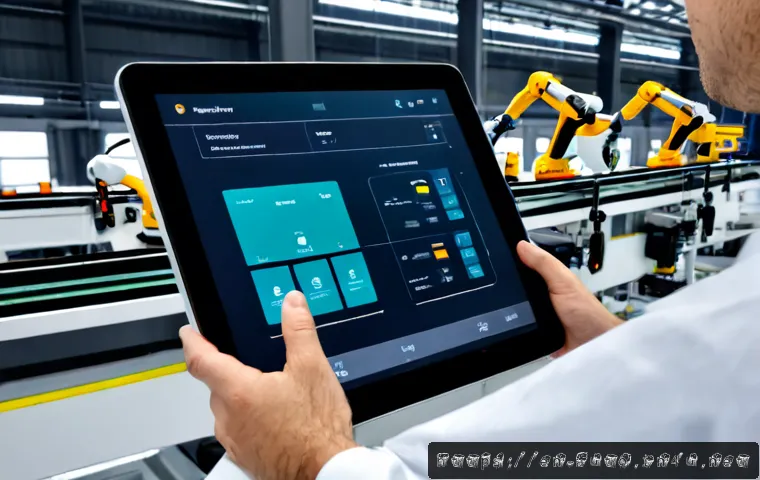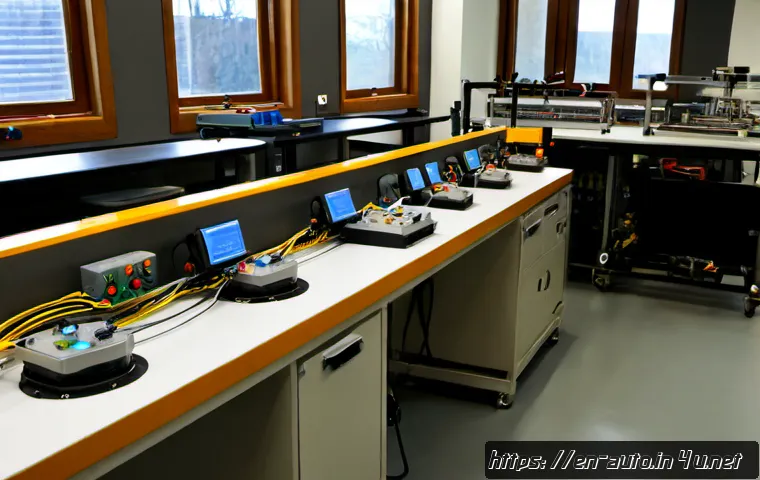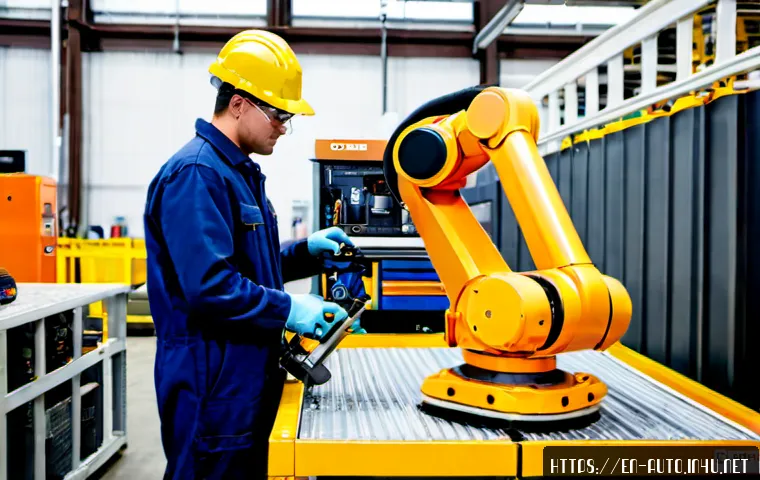
A factory automation degree can lead to programming-focused PLC and controls work, hands-on robotics and maintenance work, travel-heavy commissioning, or customer-facing field service.
The right choice depends less on the job title and more on your preferred mix of programming, site work, troubleshooting, travel, and customer contact.
PLC programmers and controls engineers often suit candidates who enjoy logic, documentation, and system design. Robotics technicians and maintenance-oriented roles can fit people who prefer equipment interaction and practical fault finding.
Commissioning and field service roles may offer broad exposure, but travel, overtime, on-call expectations, and safety duties need careful review. Before paying for industrial automation training or a PLC/robotics certification, compare it with the skills requested in the specific roles you want.
At a Glance
- Choose PLC or controls if you prefer programming logic, drawings, documentation, and structured problem-solving.
- Choose robotics or maintenance if you want more hands-on equipment work, setup, testing, and troubleshooting.
- Choose commissioning or field service if you are comfortable with customer sites, changing schedules, and possible travel.
| Career path | Best fit | Typical focus | Travel and customer contact |
|---|---|---|---|
| PLC Programmer | Logic-focused problem solvers | PLC code, I/O checks, HMI behavior, fault logic | Varies by employer and project |
| Controls Engineer | People who enjoy system-level design | Control concepts, documentation, integration, testing | Can include project-site support |
| Robotics Technician | Hands-on technical learners | Robot setup, recovery, testing, equipment troubleshooting | Often site-based; customer exposure varies |
| Commissioning Engineer | Travel-ready troubleshooters | Startup, integration, verification, on-site issue resolution | Often higher; verify each job description |
| Field Service Engineer | Customer-facing technical communicators | Support, repair, diagnosis, installation, training | May involve travel, on-call work, and customer contact |
The Best Career Direction Depends on the Work You Want to Do
Three quick answers for programming-focused, hands-on, and travel-ready graduates
If you want to spend more time with control logic, sequence design, and software troubleshooting, start by exploring PLC programming and controls engineering roles. If you would rather work close to machines, sensors, actuators, and robot cells, robotics technician or maintenance-related positions may be a better match. If you want exposure to many systems and can accept changing work locations, commissioning and field service may offer a stronger fit.
Why “automation engineer” is not one standardized job
An automation engineer title can describe very different work. One employer may expect PLC programming and HMI development. Another may emphasize electrical documentation, industrial networking, process troubleshooting, or customer-site startup. Do not select a role based on the title alone. Read the responsibilities, software requirements, safety expectations, travel language, and whether the role supports existing production or delivers new projects.
Core skills that transfer across most industrial automation roles
Useful transferable skills include reading I/O lists, understanding control narratives, following electrical and safety procedures, documenting changes, communicating faults clearly, and testing work methodically. PLC programming, HMI configuration, industrial networking, SCADA concepts, CAD exposure, and troubleshooting can all be valuable, but their importance changes by employer.
Compare PLC, Robotics, Controls, Commissioning, and Field Service Careers
Daily tasks, typical work locations, and customer contact
PLC programmers may build or adjust logic, test signals, and review alarms. Controls engineers may connect programming work to broader system design and documentation. Robotics technicians may focus on setup, recovery, equipment checks, and fault isolation. Commissioning engineers commonly work through startup and system verification. Field service engineers often combine technical diagnosis with direct customer communication.
Travel, shift work, site safety, and troubleshooting pressure
These factors deserve the same attention as the technology stack. A plant-based role may involve shift coverage or urgent production support. A project role may include deadlines around installation and startup. Customer-site roles can require travel and communication under pressure. Ask directly whether there are on-call duties, overtime expectations, travel reimbursement, site-safety requirements, and shutdown schedules.
Career comparison: skills, tools, learning curve, and progression
PLC programming can deepen your logic and troubleshooting foundation. Controls engineering can expand into design, integration, and project coordination. Robotics can lead toward specialized equipment knowledge. Commissioning develops broad integration experience but may require schedule flexibility. Field service builds diagnosis and customer skills. None is automatically better; the strongest first role is usually the one that gives you supervised access to real systems and clear learning opportunities.
Which Training and Certifications Are Worth Paying For?
When a PLC programming course adds practical value
A paid PLC programming course can be useful when it provides hands-on lab access, realistic fault scenarios, documented exercises, and feedback. It is less useful when it only offers passive videos or a certificate without evidence of practical work. Compare the course content with repeated requirements in your target job postings before investing.
Robotics, industrial networking, SCADA, and electrical safety training
Robotics training may help if you are targeting robot cells or equipment vendors. Industrial networking and SCADA training may make more sense for controls, integration, or plant-support paths. Electrical safety training should be assessed against the duties you may actually perform. A degree title alone does not confirm eligibility for regulated engineering work or vendor-specific programming tasks.
How to compare course fees, lab access, instructor support, and employer recognition
Use a simple comparison: Does the program include practice equipment or simulation software? Can you save project files for a portfolio? Is instructor support available? Does it cover the tools named in relevant postings? Is the training recognized by employers you want to approach? Review the official course details and enrollment conditions before purchasing industrial automation training or certification preparation.
Build a Job-Ready Portfolio Without Claiming Experience You Do Not Have
Safe project ideas using simulation, test benches, and documented logic

Create small, honest projects using simulation, test benches, or coursework. Examples include a conveyor sequence, tank-level control concept, alarm-handling exercise, or simple HMI navigation design. The value is not the size of the project. It is your ability to explain the intended operation, test method, faults considered, and limits of the setup.
What to show: I/O lists, control narratives, alarms, HMI screens, and troubleshooting notes
A clear portfolio can include an I/O list, control narrative, sequence description, alarm plan, HMI screenshots, and troubleshooting notes. Keep sensitive employer material out of your portfolio. Label projects accurately as coursework, simulation, personal practice, or supervised lab work.
Resume wording that distinguishes coursework, projects, and professional experience
Use direct wording. For example, state that you “completed a PLC simulation project” rather than implying you programmed a production line. Describe the tool, project scope, and what you tested. This builds trust with technical recruiters and hiring managers while showing that you understand professional documentation.
Choose an Employer Type That Matches Your Preferred Career Path
System integrators versus manufacturers versus equipment vendors
System integrators may expose you to varied projects, customers, and technologies. Manufacturers may offer deeper familiarity with one production environment and its reliability needs. Equipment vendors may focus your learning around particular machines, platforms, or customer support. The trade-off is breadth versus depth, not a universal ranking.
In-house maintenance and reliability teams versus project-based engineering teams
In-house teams may emphasize uptime, repeat faults, preventive work, and production coordination. Project teams may focus on design, installation, integration, testing, and handover. Consider whether you prefer improving an operating system over time or moving between new technical problems.
Questions to ask about mentoring, software access, travel reimbursement, and training budgets
Ask whether junior staff receive mentoring, which engineering software is available, how training is approved, and whether travel costs are handled clearly. Also ask what percentage of time is spent on programming, troubleshooting, documentation, customer communication, and travel. These answers are often more useful than a broad job title.
Selection Criteria and Comparison Summary
Before applying or paying for training, check work location, programming depth, equipment exposure, travel expectations, safety duties, and mentoring. Separate “required” qualifications from “preferred” skills in every posting; preferred vendor software experience may be learnable after hiring. Compare PLC certification courses, robotics training, simulation software, and technical recruitment opportunities by their relevance to your chosen path, not by branding alone. When reviewing an offer, compare the actual duties, training access, schedule, travel policy, and growth path beyond the title and starting pay. For official training details, certification conditions, or recruiter service terms, review the relevant provider or employer page directly.
Closing Thoughts
A first factory automation role does not lock you into one specialty forever. PLC, robotics, controls, commissioning, and field service share enough foundations that a carefully chosen first position can create later options. Focus on the work you want to perform each week, not just the label on the vacancy. Honest projects, targeted training, and careful job-description review are a practical starting point.
Useful Information
1. Save several job postings and highlight repeated technical terms before selecting a course.
2. Keep a portfolio folder with clearly labeled coursework, simulations, and project notes.
3. Ask about travel, shifts, on-call support, and safety responsibilities before accepting an interview or offer.
4. Vendor-specific software familiarity can be useful, but broader troubleshooting and documentation skills remain transferable.
Important Considerations
Hiring demand, licensing rules, salary ranges, certification prices, and employer expectations vary by country, region, industry, employer, and candidate experience. Verify current local requirements with the employer, training provider, or relevant authority. Confirm whether a role involves regulated engineering duties, vendor-specific programming authorization, travel, overtime, on-call coverage, or particular site-safety obligations.
Frequently Asked Questions
Q1. What is the best first job for a factory automation graduate with limited experience?
A1. The best first role is usually one with structured mentoring, access to real equipment or realistic testing, and responsibilities you can explain honestly. PLC support, junior controls, robotics technician, maintenance support, or entry-level commissioning work may fit depending on your preferred work environment and the employer’s training approach.
Q2. Is a paid PLC or robotics certification worth the cost before applying for jobs?
A2. It may be worthwhile when it fills a repeated requirement in your target postings and includes practical labs, project evidence, and support. Apply for suitable roles as well; do not assume a certificate alone replaces hands-on learning, communication skills, or safe work practices.
Q3. Should I choose a system integrator, manufacturer, or equipment vendor for an automation career?
A3. Choose based on the work you want. System integrators may provide broad project exposure, manufacturers may provide deeper plant experience, and equipment vendors may provide focused product and customer-support experience. Confirm the actual duties, training access, travel expectations, and progression opportunities with each employer.