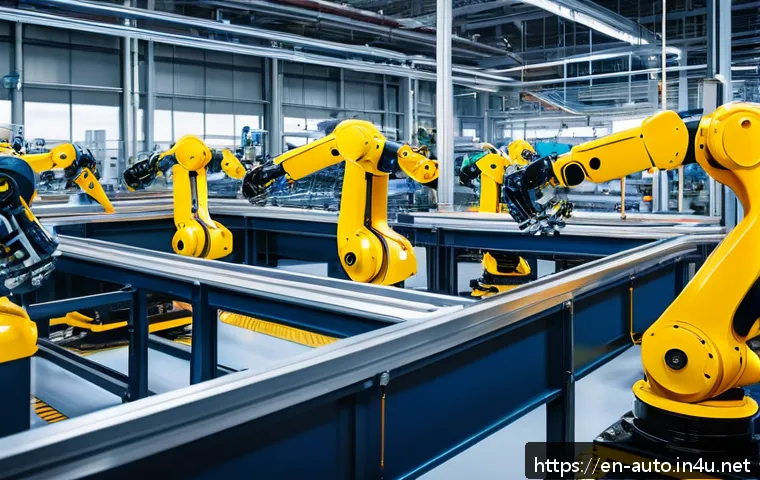
As industries worldwide accelerate their adoption of automation, industrial robots are emerging as game-changers across diverse sectors. From manufacturing floors to healthcare facilities, these intelligent machines are redefining efficiency and precision like never before.
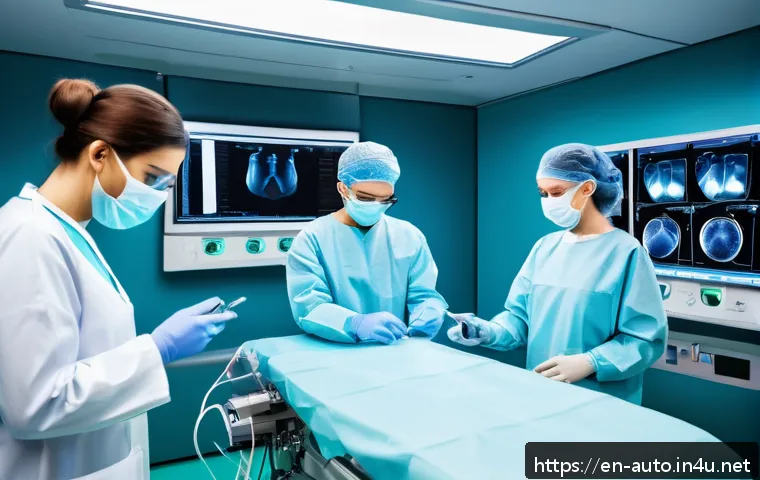
With recent breakthroughs in AI integration and collaborative robotics, the landscape is evolving at a breathtaking pace. Join me as we dive into how industrial robots are transforming modern industries, unlocking new potentials, and shaping the future of work in ways that impact us all.
Whether you’re curious about tech trends or business innovation, this exploration offers insights you won’t want to miss.
Revolutionizing Manufacturing Through Precision and Speed
Automation Enhancing Production Lines
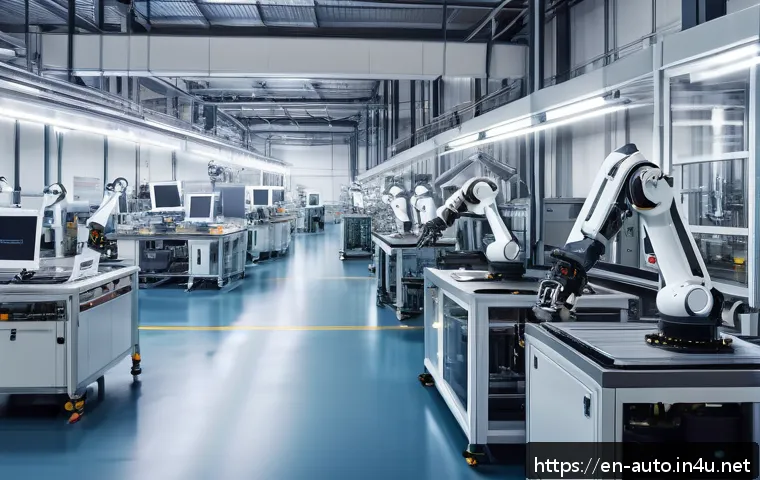
Industrial robots have radically transformed manufacturing by increasing speed and consistency in production lines. Unlike human workers, these machines can operate 24/7 without fatigue, drastically reducing downtime and errors.
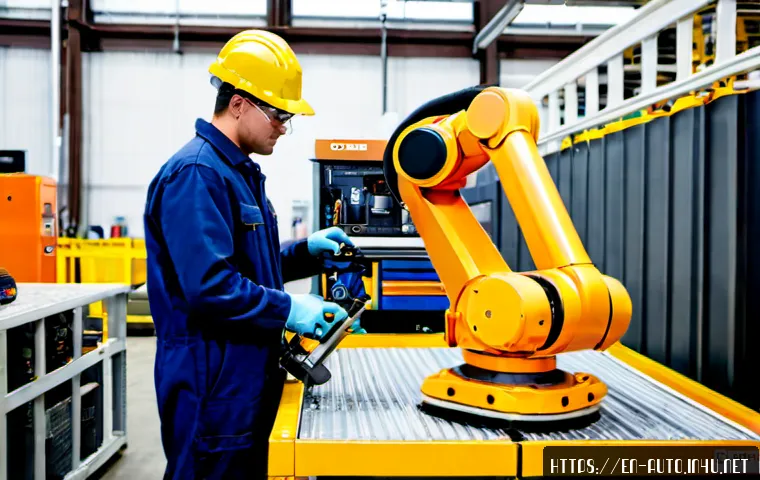
In my experience visiting several factories, I noticed how collaborative robots, or cobots, work side-by-side with humans to handle repetitive or hazardous tasks.
This synergy not only boosts productivity but also improves workplace safety. For instance, robots performing precise welding or assembly tasks deliver uniform quality that’s nearly impossible to achieve manually.
Over time, manufacturers report significant cost savings due to fewer defects and less material waste, making automation a smart investment.
Customizable Robotics for Diverse Industries
One of the most exciting developments is how adaptable robots have become. Whether it’s automotive, electronics, or food processing, these machines can be programmed for a wide range of operations.
I’ve seen startups use small robotic arms to package delicate items with remarkable care, something that would be tedious and inconsistent if done by hand.
On the flip side, large-scale industries deploy heavy-duty robots capable of lifting and assembling massive components with millimeter precision. This flexibility means companies can quickly pivot production lines to meet changing market demands without lengthy retooling, a game-changer in today’s fast-paced economy.
Data-Driven Optimization in Real Time
Modern robots come equipped with sensors and AI-powered analytics that allow them to monitor their own performance and detect potential issues before they cause downtime.
From my observations, this predictive maintenance drastically reduces unexpected failures. For example, in a car manufacturing plant, sensors track vibration and temperature changes in robotic arms, alerting technicians to intervene early.
This proactive approach extends equipment lifespan and enhances operational efficiency. Additionally, data collected by robots helps optimize workflows by identifying bottlenecks, enabling continuous improvement on the factory floor.
Transforming Healthcare with Robotic Precision
Robotic Assistance in Surgery
The integration of robotics in healthcare is nothing short of revolutionary. Surgical robots enable minimally invasive procedures with unparalleled precision.
Surgeons can now operate through tiny incisions using robotic arms controlled remotely, which reduces patient recovery times and minimizes complications.
I recall a case study where a hospital reduced post-operative infections significantly after adopting robotic-assisted surgeries. Patients benefit from less pain, shorter hospital stays, and faster return to daily life.
These advancements are reshaping surgical standards worldwide.
Automation in Pharmaceutical Production
Pharmaceutical manufacturing requires strict adherence to quality and safety standards. Robots play a critical role in automating repetitive tasks such as pill sorting, packaging, and labeling, ensuring consistent accuracy and hygiene.
During a visit to a pharmaceutical plant, I observed robots handling sterile materials in environments where human presence is limited to prevent contamination.
This automation not only speeds up production but also complies with stringent regulatory requirements, reducing the risk of costly recalls or errors.
Improving Patient Care with Service Robots
Hospitals and care facilities increasingly deploy service robots to assist with routine duties like delivering supplies, disinfecting rooms, or guiding patients.
From firsthand reports, these robots ease the workload on medical staff, allowing them to focus more on direct patient care. In elder care centers, for example, robots help monitor vital signs and remind patients to take medication, contributing to better health outcomes.
The human-robot interaction here enhances overall efficiency and patient satisfaction.
Boosting Supply Chain Efficiency and Logistics
Warehouse Automation and Inventory Management
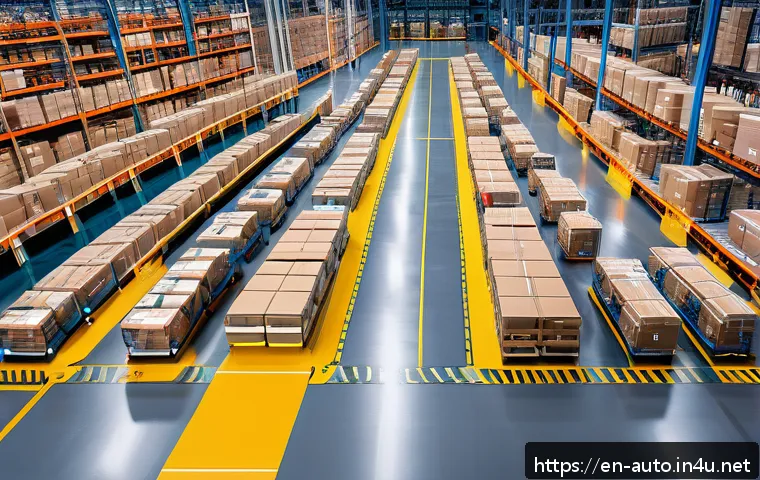
Supply chains have become incredibly complex, but industrial robots simplify the chaos by automating warehousing processes. Robots equipped with advanced navigation systems can pick, sort, and transport goods swiftly within distribution centers.
I’ve experienced firsthand how this automation speeds up order fulfillment during peak seasons, reducing errors caused by manual handling. Real-time inventory tracking powered by robots also improves accuracy, preventing stockouts or overstock situations that hurt profitability.
Last-Mile Delivery Innovations
Robotics are now making their way into the final stage of delivery, often the most challenging and costly part of the supply chain. Autonomous delivery robots and drones are being tested in urban areas to handle small parcel deliveries efficiently.
While still emerging, I’ve followed pilot programs where these technologies have cut delivery times and reduced traffic congestion. As regulations evolve, expect these robots to become more common, reshaping how consumers receive goods.
Collaborative Robots in Sorting Centers
Sorting centers benefit from robots that collaborate with human workers to handle diverse packages quickly. These robots can identify, scan, and route parcels with minimal human intervention, dramatically improving throughput.
I’ve noticed that the combination of AI vision systems and robotic arms enables sorting centers to adapt to varying package sizes and shapes seamlessly, a critical advantage during holiday rushes.
Elevating Agriculture with Intelligent Automation
Precision Farming with Robotic Systems
Agriculture is embracing robotics to optimize crop yields and reduce labor-intensive tasks. Robots equipped with sensors and AI analyze soil conditions, monitor plant health, and apply water or fertilizers precisely where needed.
From my visits to modern farms, I witnessed how these technologies reduce waste and environmental impact while boosting productivity. Farmers can now remotely manage fields, making agriculture more sustainable and efficient.
Harvesting Robots and Labor Shortages
Labor shortages have long plagued the farming sector, but harvesting robots offer a promising solution. These machines can pick fruits and vegetables delicately, matching or surpassing human speed and accuracy.
I’ve read reports where strawberry-picking robots operate through uneven terrain and variable lighting, overcoming challenges that initially limited automation in agriculture.
This technology helps farmers maintain harvest schedules and reduce crop loss due to labor constraints.
Livestock Monitoring and Management
Beyond crops, robots assist in managing livestock by tracking animal health and behavior. Wearable sensors and autonomous feeders allow farmers to monitor individual animals remotely.
I’ve seen examples where early detection of illness through robotic monitoring leads to timely treatment, reducing the spread of disease and improving overall herd welfare.
This level of precision care was nearly impossible before automation.
Enhancing Construction Efficiency and Safety
Robotic Bricklaying and Assembly
Construction sites are becoming increasingly automated with robots capable of bricklaying, concrete pouring, and assembly tasks. I’ve observed robotic systems that lay bricks faster than skilled masons while maintaining consistent mortar application, reducing material waste.
These innovations shorten project timelines and improve structural quality, which is critical in today’s competitive building market.
Site Monitoring and Hazard Detection
Safety is paramount in construction, and robots equipped with cameras and sensors play a vital role in site monitoring. Drones and ground robots patrol construction zones to identify hazards, track progress, and ensure compliance with safety standards.
Based on my discussions with site managers, these tools help prevent accidents and improve communication between teams, fostering a safer work environment.
3D Printing and Modular Construction
Robotic 3D printing is revolutionizing how buildings are constructed by enabling rapid fabrication of complex components onsite. Modular construction robots assemble prefabricated units with high precision, reducing labor demands and onsite errors.
I’ve seen projects where this approach cuts construction time by weeks, offering significant cost savings and environmental benefits by minimizing material waste.
Advancing Electronics and Semiconductor Manufacturing
Micro-Assembly with Nanometer Accuracy
The electronics industry demands extreme precision, and robots are essential for micro-assembly of components like semiconductors and circuit boards. In cleanroom environments, robots operate flawlessly to place tiny parts with nanometer accuracy.
From my research and factory tours, this precision reduces defects and improves yields, which is crucial given the high value of these products.
Cleanroom Automation and Contamination Control
Maintaining sterile conditions is critical in semiconductor fabrication. Robots minimize human presence, significantly lowering contamination risks. Automated wafer handling and inspection systems ensure consistent quality.
I’ve witnessed how these automated processes contribute to faster production cycles and higher reliability of electronic devices.
AI-Driven Quality Inspection
Integrating AI with robotic vision systems allows real-time defect detection during manufacturing. These systems identify microscopic flaws that would escape human inspection, enabling immediate corrective actions.
This level of quality control enhances product reliability and customer satisfaction, reinforcing the competitive edge of manufacturers using such technology.
Summary Table of Industrial Robot Applications
| Industry | Key Robot Functions | Benefits | Examples |
|---|---|---|---|
| Manufacturing | Assembly, Welding, Quality Control | Increased productivity, Consistent quality, Reduced waste | Automotive assembly lines, Electronics packaging |
| Healthcare | Surgical Assistance, Pharmaceutical Automation, Service Robots | Minimized recovery times, Enhanced safety, Improved patient care | Robotic surgery, Sterile packaging, Patient monitoring |
| Logistics | Sorting, Inventory Management, Delivery Robots | Faster fulfillment, Error reduction, Cost savings | Warehouse automation, Last-mile delivery |
| Agriculture | Precision Farming, Harvesting, Livestock Monitoring | Higher yields, Labor efficiency, Better animal health | Crop sensors, Fruit-picking robots, Wearable sensors |
| Construction | Bricklaying, Site Monitoring, 3D Printing | Faster builds, Improved safety, Reduced material waste | Robotic masons, Drones, Modular assembly |
| Electronics | Micro-Assembly, Cleanroom Handling, AI Inspection | High precision, Contamination control, Defect detection | Semiconductor fabrication, PCB assembly |
In Conclusion
The integration of robotics across various industries is reshaping how we work, produce, and care for people. From manufacturing to healthcare and agriculture, these technologies deliver unmatched precision, efficiency, and safety. Embracing automation not only boosts productivity but also opens doors to innovation and sustainability. As these systems evolve, their impact will continue to expand, driving the future of industry forward.
Useful Information to Know
1. Robotics enhances productivity by performing repetitive or hazardous tasks, freeing human workers for more complex roles.
2. Customizable robots allow businesses to quickly adapt to changing market demands without costly downtime.
3. AI-powered sensors enable predictive maintenance, reducing unexpected equipment failures and saving costs.
4. In healthcare, robotic assistance improves surgical precision and patient recovery outcomes.
5. Supply chain and logistics benefit from automation through faster order fulfillment and real-time inventory management.
Key Takeaways
Understanding the transformative role of robotics helps businesses and individuals appreciate the balance between technology and human expertise. Automation drives efficiency, quality, and safety but requires thoughtful integration to maximize benefits. Staying informed about advancements ensures readiness to adopt innovations that enhance competitiveness and sustainability in a rapidly evolving landscape.
Frequently Asked Questions (FAQ) 📖
Q: uestions about Industrial RobotsQ1: How are industrial robots impacting job opportunities in various sectors?
A: Industrial robots are reshaping job landscapes by automating repetitive and hazardous tasks, which can initially seem concerning for job security. However, from my experience and observation, they often create new roles focused on robot maintenance, programming, and system optimization.
In sectors like manufacturing and healthcare, workers are transitioning into more skilled positions that require oversight and collaboration with these machines.
So rather than replacing jobs entirely, robots are evolving the nature of work, pushing industries toward higher efficiency and safety while opening avenues for upskilling.
Q: What advancements in
A: I have made industrial robots more effective recently? A2: The latest breakthroughs in AI, such as improved machine learning algorithms and enhanced sensor integration, have drastically boosted the capabilities of industrial robots.
I’ve seen firsthand how AI enables robots to better interpret their environment, make real-time decisions, and work safely alongside humans—known as collaborative robotics or cobots.
These advancements mean robots can now handle more complex tasks with precision and adapt to changing conditions on the fly, which was not possible a few years ago.
This progress is accelerating automation adoption across various industries.
Q: Are industrial robots expensive to implement, and how can small businesses benefit from them?
A: While the initial investment in industrial robots can be significant, costs have been decreasing as technology advances and more user-friendly models hit the market.
From what I’ve learned, small businesses can benefit by starting with collaborative robots that don’t require extensive infrastructure changes and offer quick returns through improved productivity and reduced errors.
Leasing options and modular robot kits also make automation more accessible. Ultimately, the efficiency gains often outweigh the upfront costs, making it a smart long-term investment even for smaller operations.