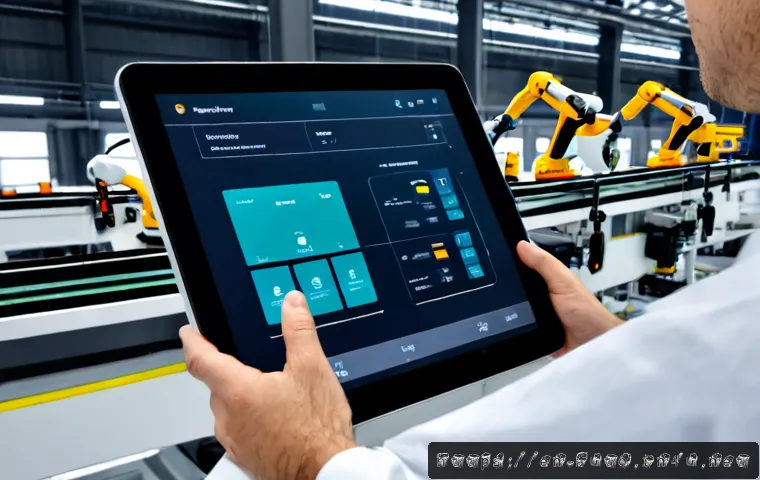
The strongest factory automation career foundation is a mix of electrical controls, PLC/HMI knowledge, hands-on troubleshooting, and clear documentation.
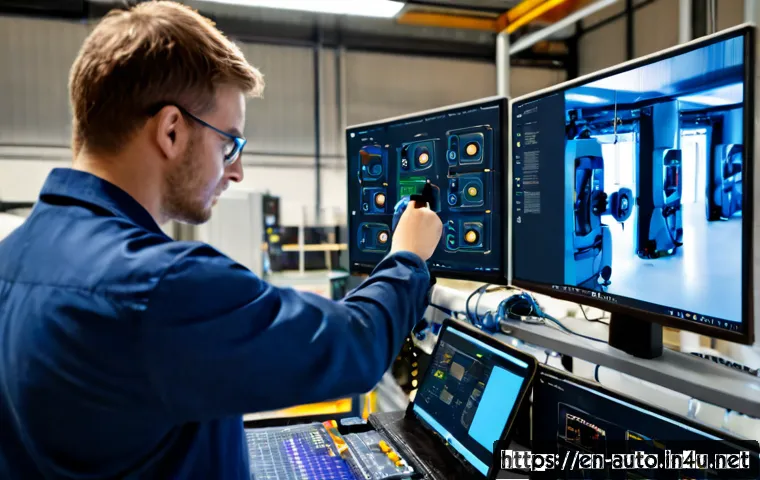
The best path depends on whether you prefer keeping equipment running, programming control systems, working with robots, or coordinating plant-wide projects.
Automation work is becoming more connected as sensors, production data, supervisory software, and remote-access tools link equipment with wider business systems.
This makes industrial networking and cybersecurity awareness more useful across many roles. Paid training can be a sensible choice when it provides safe lab access, relevant equipment, instructor feedback, or a recognized vendor platform used by target employers.
For many beginners, however, self-paced fundamentals and practical maintenance exposure can build a solid starting point. Plants also need to decide when internal teams can handle upgrades and when robotics integration services, controls engineering support, or an automation project assessment may reduce project risk.
At a Glance
- Core skills: Electrical controls, PLC logic, HMI operation, troubleshooting, and documentation remain central to factory automation work.
- Career options: Technicians, controls engineers, robotics specialists, system integrators, and project managers work at different technical and coordination levels.
- Training choice: Self-study can cover fundamentals, while vendor training, lab-based programs, or external support may be more valuable for specific equipment or higher-risk projects.
| Career Path | Main Focus | Common Tools and Systems | Training Investment | Work Environment | When Outside Support Matters |
|---|---|---|---|---|---|
| Maintenance / Automation Technician | Equipment uptime and fault finding | Electrical panels, sensors, drives, PLCs, HMIs | Hands-on electrical and troubleshooting practice | Production floor, maintenance areas, shifts | Complex controls changes or unfamiliar equipment |
| Controls Engineer / PLC Programmer | Logic changes, control design, documentation | PLCs, HMI software, SCADA, industrial networks | Structured PLC/HMI and networking learning | Plant floor and engineering workspace | Large modernization or integration projects |
| Robotics Specialist | Robot cells, vision, material movement | Robots, machine vision, safety systems, conveyors | Vendor-specific robotics training can help | Cells, lines, commissioning sites | Cell design, safety coordination, commissioning |
| Systems Integrator / Project Manager | Connecting people, equipment, and project delivery | Controls platforms, specifications, project documents | Technical breadth plus communication skills | Plant, supplier, and customer meetings | Often the external support option itself |
What Factory Automation Work Looks Like Today
The Short Answer: Connected Systems and Cross-Functional Problem Solving Matter Most
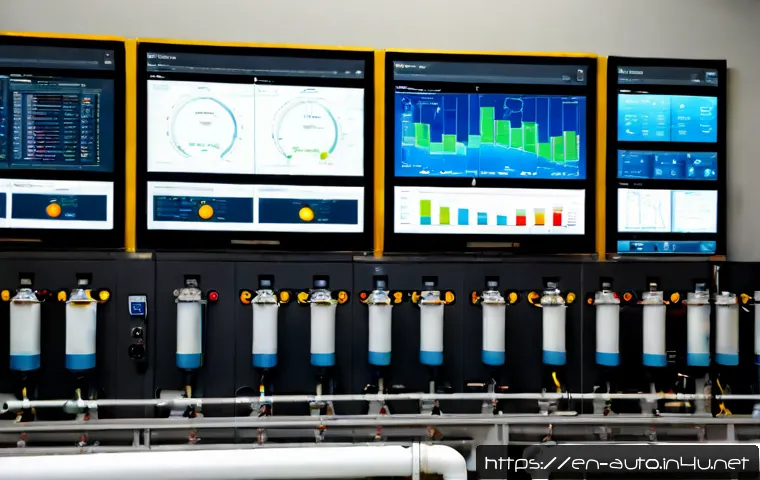
Factory automation is no longer limited to a single machine and a single control panel. A modern automation role may involve PLCs, sensors, actuators, drives, industrial networks, HMIs, and supervisory software working together. The person diagnosing a stopped line may need to speak with operators, maintenance staff, IT teams, equipment suppliers, and engineering colleagues.
The practical goal is still straightforward: support safe, reliable production. However, the work now often includes understanding how equipment signals move through networks, how operators see alarms on an HMI, and how changes are recorded so the next person can support the system safely.
From Standalone Machines to Data-Connected Production Lines
Connected sensors, SCADA systems, automated material handling, collaborative robots, and machine vision are expanding the scope of automation work. A technician may focus on a sensor or drive fault, while a controls engineer may modify PLC logic or improve an HMI screen. A robotics specialist may work on robot movement, vision inputs, or cell coordination.
These systems can also connect operational technology networks with business systems or remote-access tools. That connection creates useful possibilities for visibility and support, but it also makes industrial cybersecurity awareness relevant. Automation professionals do not need to perform every IT function, but they should understand that remote access, account control, network changes, and system backups require careful coordination.
Why Uptime, Safety, and Documentation Remain Core Responsibilities
New technology does not replace the basics. Controls technicians and engineers often troubleshoot equipment, modify logic, document changes, and help maintain production uptime. Electrical safety knowledge matters because automation equipment interacts with electrical power, motion, sensors, and machinery.
Documentation discipline is equally important. A change that solves an immediate issue can create future confusion if drawings, program backups, alarm notes, and revision records are not maintained. Before changing a live production system, teams should follow their site’s safety, change-control, and backup practices.
Automation Career Paths Compared: Technician, Controls Engineer, Robotics, and Integration
Maintenance and Automation Technician Roles
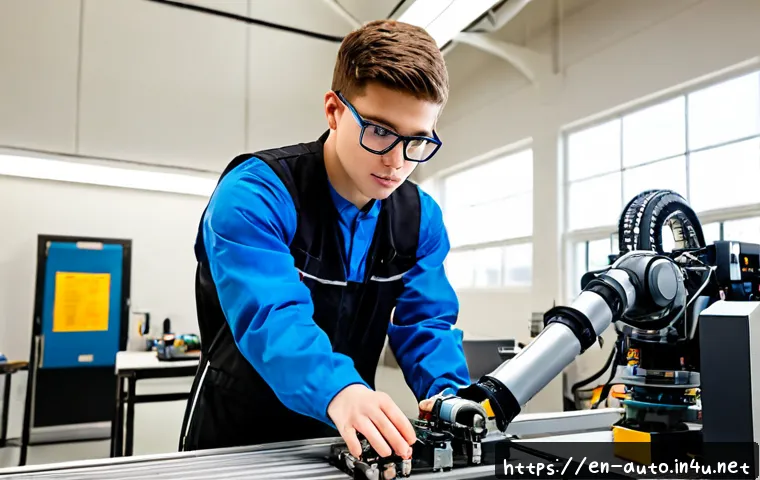
A maintenance or automation technician role is often a practical fit for someone who enjoys diagnosing physical equipment. Typical work can include checking sensors, wiring, actuators, drives, PLC status, and HMI alarms. The role may also involve communicating clearly with operators about what happened, what was changed, and whether the equipment has returned to stable operation.
This path rewards hands-on troubleshooting, electrical controls knowledge, safe work habits, and patience under production pressure. It can be a strong entry point for people with electrical maintenance experience because it connects existing fault-finding skills with automation systems.
Controls Engineer and PLC Programmer Roles
Controls engineers and PLC programmers generally work more deeply with control logic, HMI configuration, industrial networks, and system documentation. They may modify a sequence, investigate an intermittent fault, support a new machine installation, or coordinate a controls upgrade with a supplier or system integrator.
PLC programming is valuable, but effective controls work also requires understanding the physical process. A logic routine has to match how motors, valves, sensors, safety devices, and operators interact on the floor. Learning only PLC/HMI software without learning equipment behavior can leave an important skills gap.
Robotics, Machine Vision, and Material-Handling Specialist Roles
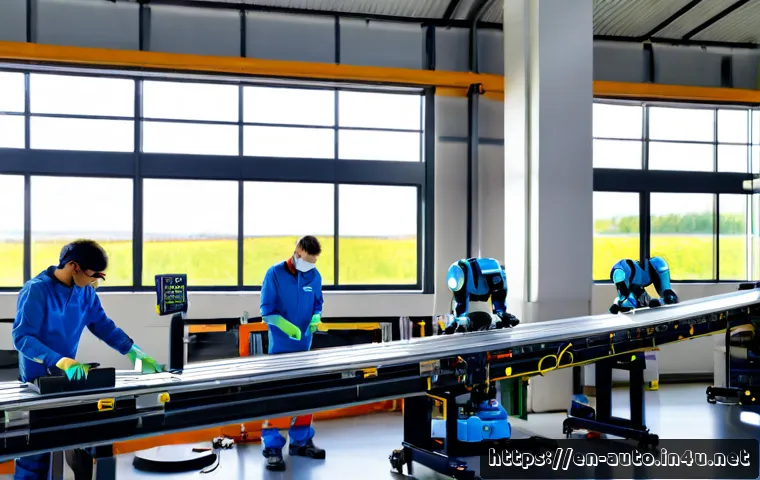
Robotics-related roles can involve collaborative robots, industrial robot cells, machine vision, conveyors, or automated material handling systems. The work may include setup, troubleshooting, sequence coordination, basic programming, or commissioning support.
This path can suit people who enjoy motion systems and equipment interaction. It also requires attention to safety systems, operating conditions, and communication between machines. Robot platforms vary, so a vendor-specific course can be useful when a target employer uses a particular platform. It is not a universal requirement for every automation job.
Systems Integrator and Project Management Roles
Systems integrators help bring multiple technologies together. They may coordinate PLCs, HMIs, robotics, networks, panels, suppliers, and plant requirements into a working project. Automation project managers focus on scope, communication, timing, documentation, and coordination among operations, maintenance, IT, engineering, equipment suppliers, and integrators.
These roles need technical understanding, but they also depend on communication and project coordination. A plant modernization effort can fail to meet expectations when technical decisions are made without enough input from the people who operate and maintain the equipment.
Skills That Employers Commonly Look For
Electrical Controls, PLC Logic, and HMI Fundamentals
Start with the relationship between inputs, outputs, sensors, actuators, drives, and control logic. Learn how an HMI presents operating conditions and alarms to an operator. The goal is not simply to recognize a software screen; it is to connect the screen to the physical process.
Useful practical habits include reading available documentation, following electrical safety procedures, checking obvious causes before changing logic, and recording what was changed. These habits can be as valuable as software familiarity.
Industrial Networking, SCADA, and Production Data Awareness
Industrial networks allow devices and software systems to exchange information. SCADA and supervisory systems help visualize and manage industrial processes. As plants connect more equipment, people in automation roles benefit from knowing the difference between a control problem, a communication problem, and an operator-interface problem.
You do not need to assume that every role requires the same networking depth. Review local job descriptions and the equipment used in the plants you want to join. Some positions emphasize field troubleshooting, while others place more weight on SCADA, industrial networking, or production-data systems.
Robotics, Safety Systems, and Machine Troubleshooting
Robotics, vision, and automated material handling can expand opportunities, but they should be learned alongside process awareness. A machine vision result, a robot position, and a conveyor signal all affect the wider production sequence. Troubleshooting means looking beyond the individual component.
Safety should not be treated as an optional add-on. Any work around automated machinery should follow the applicable site procedures, equipment documentation, and authorized safety practices.
Cybersecurity and Remote-Access Awareness for Operational Technology
When operational technology networks connect with business systems or remote tools, cybersecurity becomes part of the automation conversation. Personnel may need to coordinate with IT before changing network settings, enabling remote access, or connecting new devices.
A practical baseline is to understand why controlled access, documented changes, backups, and clear vendor communication matter. This is not a substitute for a cybersecurity program, but it helps automation teams recognize when specialist involvement is needed.

Training Options, Costs, and Value for Different Career Goals
Self-Paced Learning Versus Structured Technical Programs
Self-paced learning can be enough to build basic familiarity with electrical controls, PLC concepts, HMI navigation, industrial networking, and automation terminology. It works best when paired with real equipment exposure, maintenance experience, or safe practice environments.
Structured industrial automation training may offer more value when you need hands-on lab access, guided troubleshooting, instructor feedback, or a clearer learning sequence. Compare the course content with the systems used by employers in your target area rather than selecting a program only because it has a broad title.
Vendor-Specific Training Versus Transferable Fundamentals
Vendor-specific PLC/HMI software or robotics training can be useful when a plant relies on that platform. It may also help technicians and engineers work more confidently with existing equipment. Still, fundamentals such as electrical controls, process logic, fault isolation, documentation, and safety transfer across many environments.
A balanced plan often starts with transferable fundamentals and adds platform-specific learning when a role or project makes it relevant. No single PLC platform, robot brand, or certification is universally required.
When Certification, Simulation Software, or Lab Equipment Is Worth the Cost
Before paying for a certification, simulation software, or lab equipment, ask what problem the purchase solves. Does it provide practical access you cannot otherwise obtain? Does it match job descriptions you are pursuing? Does it help you practice safe troubleshooting and documentation rather than only memorizing software steps?
The value depends on your goals, available experience, and the local market. Review the full course scope, access period, equipment availability, and instructor support before committing. Official training pages are the right place to confirm current program details and conditions.
When a Plant Should Hire an Integrator Instead of Building Every Capability In-House
Internal teams may be well positioned to support routine troubleshooting, small improvements, and known equipment. External controls engineering or robotics integration services may be more appropriate when a project combines unfamiliar technologies, requires coordination across several vendors, or creates significant safety, uptime, or commissioning risk.
An automation project assessment can help define the scope before selecting a contractor. Ask who will own documentation, backups, operator training, maintenance handover, network coordination, and support after commissioning. These questions are often more useful than comparing software features alone.
Common Mistakes When Building Automation Skills
Learning Software Without Understanding the Physical Process
PLC and HMI software are important, but automation is not only screen-based work. Learn what the inputs and outputs represent, how equipment is supposed to behave, and how operators use the process. This creates better troubleshooting judgment.
Ignoring Electrical Safety, Change Control, and Backup Practices
Making a quick change without checking safety requirements, saving a backup, or documenting the revision can create avoidable risk. Build these habits early, whether you are studying, maintaining equipment, or supporting a modernization project.
Treating Industrial Networking and Cybersecurity as Optional
Connected production systems make basic network and remote-access awareness increasingly useful. When a problem crosses equipment, network, and software boundaries, involve the appropriate operations, IT, engineering, and vendor contacts rather than assuming one person should handle everything alone.
Choosing a Training Path Without Checking Local Job Descriptions
Titles can mean different things across industries and employers. Review several local job descriptions before paying for PLC/HMI software training, robotics courses, or technical programs. Look for repeated tools, responsibilities, and preferred hands-on experience.
Selection Criteria and Comparison Summary
Choose a path by checking these decision points:
- Preferred work style: Do you prefer fast fault finding on the floor, programming and design work, robot-cell support, or project coordination?
- Plant environment: Check whether target employers use PLCs, SCADA, robotics, machine vision, or automated material handling.
- Hands-on access: Compare training providers by lab access, relevant tools, instructor support, and total cost.
- Transferable skills: Prioritize electrical safety, documentation, troubleshooting, communication, and process understanding alongside platform training.
- Project risk: Request an automation project assessment or evaluate integration support when internal capability does not match the project scope.
When comparing training providers, PLC/HMI software options, or robotics integration services, check the official details for equipment coverage, support boundaries, and practical requirements before making a decision.
Closing Thoughts
Factory automation careers continue to combine practical equipment knowledge with connected systems and teamwork. The most durable skill set is not one software package; it is the ability to understand the process, troubleshoot safely, document changes, and communicate across departments. Start with the work environment you want, then choose training that closes the most relevant gap. For plants, the same principle applies: build internal capability where it is practical and use specialist support where the project demands it.
Useful Information
1. Keep a record of equipment, systems, and troubleshooting tasks you have worked with.
2. Read local job descriptions before choosing a PLC, robotics, or SCADA training path.
3. Ask whether a course includes practical exercises, documentation habits, and safety awareness.
4. Treat operators and maintenance personnel as important sources of process knowledge during automation projects.
Important Notes
Salary ranges, hiring demand, degree expectations, certification requirements, and training value vary by employer, location, industry, shift pattern, plant equipment, and local conditions. No single platform, robot brand, or credential guarantees an automation role. The return on training, robotics, or external integration support should be evaluated against the plant process, available labor, safety needs, existing equipment, and internal capability.
Frequently Asked Questions
Q1. Which factory automation role is best for someone starting with electrical maintenance experience?
A1. A maintenance or automation technician path is often a practical starting point. Electrical maintenance experience can transfer well to sensor, actuator, drive, panel, and equipment troubleshooting. Adding PLC, HMI, documentation, and industrial networking fundamentals can broaden that foundation.
Q2. Is PLC programming enough to get a job in industrial automation?
A2. PLC programming is valuable, but it is usually stronger when combined with electrical controls, process understanding, troubleshooting, safety awareness, and communication. Employers may look for different combinations depending on the plant, equipment, and role.
Q3. When is paid automation training worth the cost compared with self-study?
A3. Paid training may be worth considering when it provides relevant hands-on equipment, safe lab practice, instructor feedback, or platform knowledge used by target employers. Self-study may be sufficient for foundational concepts when you already have practical access to equipment or maintenance experience. Compare the training content, tool relevance, total cost, and local job requirements before deciding.