A SCADA upgrade merits a formal vendor or system integrator quote when the project involves legacy controls, remote assets, new cybersecurity requirements, or uptime-sensitive commissioning.

The right choice is not simply the platform with the most dashboards; it is the architecture and implementation scope that fit the site’s equipment, workflows, and lifecycle support needs.
For plant managers, the practical starting point is an asset inventory and a clear operational problem statement. Manufacturing, water, energy, and logistics operations may use similar SCADA functions, but their connectivity, alarm, reporting, and remote-access needs can be very different.
A structured SCADA software comparison helps separate licensing questions from integration labor, network changes, and ongoing support. Cost, timeline, compatibility, and return on investment should be confirmed through a site survey and vendor scope.
At a Glance
- SCADA systems centralize operational data from PLCs, RTUs, sensors, and other field devices for monitoring and supervisory control.
- Implementation scope can include connectivity, networks, visualization, alarms, historians, user access, reporting, and cybersecurity.
- A useful integration quote separates software, engineering, communications, security, commissioning, and lifecycle support.
| Architecture Option | Best-Fit Environment | Main Scope Considerations | Common Cost Drivers |
|---|---|---|---|
| On-premises SCADA | A site that prefers local control infrastructure and locally managed access. | Server environment, local networking, user access, backups, and integration with existing controls. | Hardware, software licensing, engineering labor, cybersecurity controls, and support ownership. |
| Cloud-connected SCADA | Operations that need broader visibility across equipment, teams, or distributed sites. | Secure connectivity, remote-access rules, data flow, user roles, and external service responsibilities. | Connectivity design, cybersecurity review, data storage, integration work, and ongoing service arrangements. |
| Hybrid SCADA | Facilities that need local operational control while sharing selected data beyond the site. | Clear boundaries between local controls, remote monitoring, historian data, and user access. | Integration complexity, network segmentation, data mapping, support coordination, and phased commissioning. |
What a Successful SCADA Upgrade Looks Like in Practice
The Operational Problem to Define Before Choosing Software
A successful SCADA implementation begins with the operational problem, not with a screen design. A plant may need better visibility into equipment status, more consistent alarm response, centralized reporting, or monitoring across remote sites. Another operation may be trying to place a new visualization layer over legacy PLCs without replacing controls that are still functional.
The key question is: what decision should operators, supervisors, or maintenance teams be able to make faster or more reliably? That answer influences the required tags, data storage, alarm strategy, user permissions, and reporting needs. It also gives SCADA vendors and system integrators a useful basis for preparing an integration quote.
Do not assume a standard software package answers every requirement. Existing PLC hardware, RTUs, protocols, network condition, asset count, remote-site needs, and cybersecurity requirements can materially change the scope.
Typical Outcomes: Visibility, Alarm Response, Remote Monitoring, and Reporting
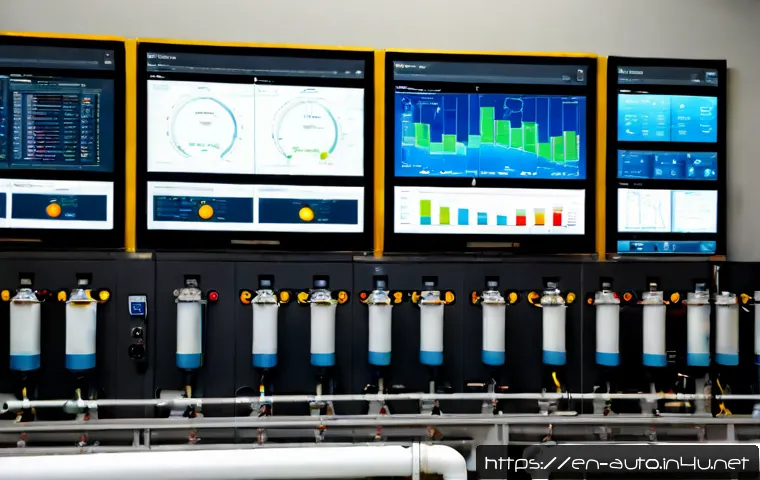
In practical deployments, SCADA can provide a centralized view of field data from PLCs, RTUs, sensors, and connected equipment. Teams may use that view to monitor equipment states, review alarm conditions, manage operator workflows, or generate operational reports.
A historian or other data-storage component may be included when the organization needs retained process information for review and reporting. However, data collection alone is not the same as useful operational insight. Tag quality, alarm design, and screen context affect whether users can interpret conditions correctly during normal operations and abnormal events.
Remote monitoring can also be valuable for distributed assets, but it should be planned with user access controls, communications reliability, and cybersecurity review in mind. Remote access should not be treated as an afterthought added after the graphics are complete.
Three-Line Summary for Project Sponsors
Request a formal SCADA vendor or system integrator quote when the project crosses multiple control systems, includes legacy protocols, introduces remote access, or requires planned downtime.
Compare proposals on the full implementation scope, not software licensing alone.
Require each bidder to identify assumptions, exclusions, testing responsibilities, cybersecurity boundaries, and post-handover support.
Common Deployment Patterns Across Industrial Operations
Single-Site Manufacturing Line Modernization
A manufacturing site may modernize monitoring for one line, a production area, or an entire plant. The SCADA layer can collect data from existing PLCs and present it through updated visualization, alarms, and reporting. This approach may reduce the need to replace working field controls immediately, but it still requires a detailed compatibility and communications assessment.
The important scope items are often less visible than the operator screens: PLC connectivity, tag naming, data mapping, alarm cleanup, user roles, network access, and commissioning windows. If production uptime is sensitive, the vendor proposal should explain how testing and cutover will be handled.
Multi-Site Water, Utility, or Remote-Asset Monitoring
Water and wastewater utilities, energy facilities, and other distributed operations often need visibility across equipment and locations. RTUs, communications networks, remote-site access, centralized alarm handling, and reporting can become central parts of the SCADA implementation.
For this pattern, a cloud-connected or hybrid architecture may be considered, but the appropriate model depends on the operation. Remote-site connectivity, access control, alarm ownership, and cybersecurity requirements should be evaluated before selecting the architecture. A vendor should not assume that every remote asset has identical communications capabilities or protocol support.
Legacy PLC Environment With a New Visualization and Historian Layer
Many control system upgrades begin with a legacy environment where the PLCs remain in service but visibility is limited. A new SCADA layer may require protocol gateways, data mapping, historian integration, and phased commissioning. This can be a practical path, but undocumented I/O, inconsistent tag naming, and older communications protocols can create additional engineering work.
Ask the system integrator to distinguish between confirmed interfaces and assumed interfaces. If a legacy PLC or historian has not been verified, compatibility should remain an open item until it is tested or documented.
Compare Architecture Options, Scope, and Cost Drivers
On-Premises, Cloud-Connected, and Hybrid Configurations
There is no universal best architecture. An on-premises SCADA arrangement may fit an operation that wants locally managed infrastructure. A cloud-connected approach may support broader access to selected information. A hybrid design can keep supervisory functions close to the process while extending approved data or reporting access beyond the site.
The comparison should focus on operational fit, data flow, access control, network design, support model, and cybersecurity responsibilities. The right approach for one facility may not be appropriate for another, even when both use similar automation equipment.
Software Licenses, Engineering Hours, Hardware, and Support Costs
A reliable SCADA implementation budget separates categories that are frequently blended into one headline figure. Software licensing is only one part of the decision. Engineering labor may include asset discovery, tag mapping, protocol configuration, graphics development, alarm rationalization, testing, commissioning, training, and documentation.
Hardware and infrastructure may include servers, network equipment, gateways, or other components required for field connectivity and system operation. Cybersecurity work may involve user access design, network review, remote-access requirements, and ownership of security-related tasks. Ongoing costs can include lifecycle support, backups, platform maintenance, and future integration changes.
Total project cost and timeline cannot be determined reliably without a site survey, asset inventory, and defined vendor scope. Treat broad estimates as planning inputs, not final project commitments.
Questions to Ask When Comparing SCADA Vendors and Integrators
- Which PLCs, RTUs, protocols, historians, and field devices have been confirmed versus assumed?
- What is included in the SCADA software comparison: visualization, alarm management, reporting, historian functions, and user access controls?
- Who owns tag development, data mapping, screen approval, and alarm cleanup?
- What cybersecurity responsibilities belong to the facility, the software vendor, and the system integrator?
- How will factory testing, site acceptance testing, downtime planning, and handover be managed?
- What lifecycle support is available after commissioning, and who owns backups and system documentation?
Implementation Steps That Reduce Commissioning Risk
Asset Inventory, Tag Standards, and Communications Assessment
Start with an inventory of assets, control devices, available documentation, communications paths, and existing data sources. This does not need to be perfect on day one, but it should reveal gaps early. A tag standard is especially important when multiple PLCs, remote sites, or teams are involved.

Consistent naming makes visualization, alarms, reporting, and future maintenance easier to manage. Without it, integration labor can grow as engineers reconcile duplicate, unclear, or undocumented data points.
Alarm Rationalization, User Roles, and Cybersecurity Review
Dashboards can look complete while alarm logic remains unclear. Alarm design should reflect operator workflows: which conditions require action, who responds, and what context the operator needs. Alarm management is an operational design task, not merely a display configuration task.
User roles should also be defined before deployment. Different users may need different levels of monitoring, reporting, supervisory control, or administrative access. A cybersecurity review should consider these roles, the communications architecture, and any remote-access expectations.
Factory Testing, Site Acceptance Testing, Training, and Handover
Testing should be included in the implementation scope rather than treated as an informal final step. Factory testing can help confirm configured functionality before site work. Site acceptance testing helps validate the installed solution with actual equipment, communications, and operating workflows.
Training and handover should cover more than normal screen navigation. The operating team needs clarity on alarms, user access, reporting, backup responsibilities, support escalation, and system documentation. If ownership is unclear after commissioning, the long-term value of the upgrade can be reduced.
Avoidable Mistakes in Control System Projects
Treating Dashboards as the Whole Project
Graphics are visible and easy to discuss, but they are only one part of SCADA implementation. A useful interface depends on sound field connectivity, accurate tags, appropriate alarms, access controls, and reliable data handling. A polished dashboard cannot resolve unclear source data or undefined operator responsibilities.
Underestimating Legacy Protocol and Data-Quality Work
Legacy controls may require protocol gateways, data mapping, or additional validation before they can be integrated. Inconsistent tag names, missing documentation, and undocumented I/O are common scope risks. The practical response is not to assume failure; it is to identify these items early and ask the integrator to state how they affect engineering and commissioning.
Leaving Remote Access, Backups, and Support Ownership Undefined
Remote access introduces operational and cybersecurity questions that need clear ownership. Backups, recovery procedures, access approvals, and lifecycle support should be assigned before handover. These items are often less visible during vendor selection, yet they can shape the long-term maintainability of the control system.
Selection Criteria and Comparison Summary
Before choosing a SCADA platform or system integrator, confirm these decision-stage requirements:
- Operational scope: Define the monitoring, supervisory control, alarm, reporting, and remote-access outcomes required.
- Asset and protocol inventory: List confirmed PLCs, RTUs, sensors, historians, networks, and legacy interfaces.
- Architecture: Compare on-premises, cloud-connected, and hybrid options against access, support, and cybersecurity needs.
- Implementation responsibilities: Separate software licensing, integration labor, hardware, networking, testing, training, and documentation.
- Lifecycle support: Define backup ownership, user administration, future changes, and support escalation.
For platform capabilities, integration conditions, and support terms, review the official product and system integrator information before requesting a final quote.
When to Use an Internal Team Versus a System Integrator
An internal engineering team may be well positioned when it has current documentation, protocol knowledge, control-system experience, and capacity for testing and support. An experienced system integrator can add value when the project includes multiple vendors, legacy equipment, remote sites, cybersecurity design, specialized protocol work, or commissioning constraints.
The decision is not necessarily either-or. Internal teams can retain ownership of operational requirements while an integrator handles defined technical work. The important point is to assign responsibilities clearly.
Choosing the Option That Fits Lifecycle Needs Rather Than Initial Price Alone
The lowest initial proposal may not include the same engineering, testing, cybersecurity, documentation, or support scope as another proposal. Compare what each bidder will deliver at handover and what the facility must manage afterward. A lifecycle-oriented comparison makes it easier to see where scope gaps could become future work.
Closing Thoughts
SCADA implementation examples show that successful projects are built around operational requirements, not software screens alone. Start with the assets, communications, workflows, and access needs that exist today. Then compare platforms and system integrators using a scope that includes integration, cybersecurity, commissioning, and support. A well-defined quote request gives decision-makers a more meaningful basis for selecting an upgrade path.
Useful Information to Know
Tag standards: Consistent data names help with visualization, alarms, reporting, troubleshooting, and future expansion.
Alarm ownership: Define who responds to alarms and what information they need to act.
Phased commissioning: A phased approach may be relevant where legacy integration or downtime planning requires added care.
Support documentation: Keep current records for access roles, backups, network connections, and system changes.
Important Considerations
SCADA project cost, implementation timing, platform compatibility, cybersecurity obligations, and expected return on investment require site-specific confirmation. A platform may not be compatible with every PLC, RTU, protocol, or historian. The appropriate cloud, on-premises, or hybrid model also depends on the individual facility, its network design, remote-access requirements, and operating environment.
Frequently Asked Questions
Q1. How much does a SCADA implementation cost for a small or mid-sized industrial site?
A1. The total cost cannot be determined without a site survey, asset inventory, and defined vendor scope. A complete comparison should separate software licensing, integration labor, networking, hardware, cybersecurity work, testing, and ongoing support.
Q2. When should a company hire a SCADA system integrator instead of building the system internally?
A2. A system integrator may be particularly useful when a project involves legacy PLCs, multiple protocols, remote assets, specialized cybersecurity requirements, phased commissioning, or limited internal engineering capacity. An internal team may handle more of the work when it has current documentation, relevant control-system experience, and ownership capacity for long-term support.
Q3. What should be included in a SCADA vendor comparison and implementation quote?
A3. Include the confirmed asset and protocol inventory, software functions, integration responsibilities, networking requirements, cybersecurity scope, alarm and user-role design, testing approach, commissioning plan, training, documentation, backup ownership, and lifecycle support terms. Ask vendors to identify assumptions, exclusions, and items that require site verification.