Hey everyone! Are you ready to supercharge your career and dive headfirst into the future of manufacturing and technology? Because let me tell you, industrial automation isn’t just a buzzword anymore – it’s the beating heart of modern industry, and the demand for skilled professionals is absolutely soaring!
From cutting-edge robotics transforming factory floors to the seamless integration of AI and machine learning, this field is evolving at lightning speed, creating incredible opportunities for those ready to embrace the change.
If you’ve been eyeing a way to stay competitive, boost your earning potential, and be at the forefront of innovation, then getting certified in factory automation is your golden ticket.
So, let’s get the full picture on how you can make your mark!
The Why: Unlocking Your Future in Advanced Manufacturing
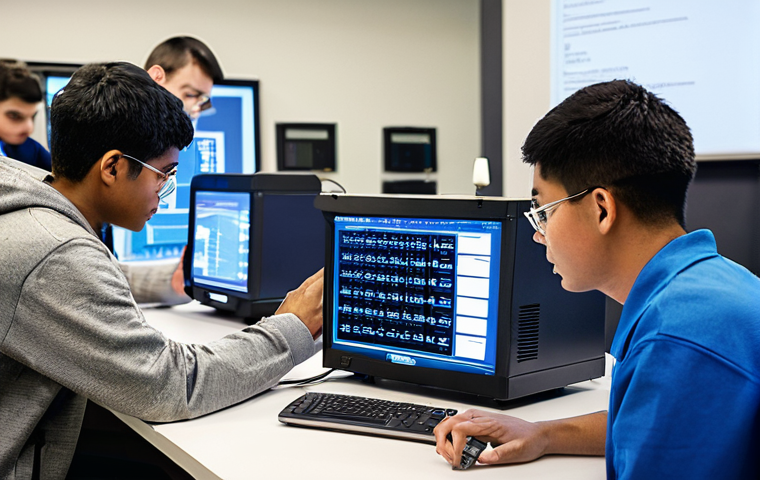
Honestly, when I first heard about “industrial automation,” it sounded like something straight out of a sci-fi movie. But after diving headfirst into this incredible field, I can tell you it’s not just the future – it’s happening right now, and the opportunities are absolutely immense! We’re talking about factories that are smarter, safer, and way more efficient, all thanks to the brilliant minds (and certified hands!) behind automation. For me, the real ‘aha!’ moment came when I saw how these systems aren’t just replacing jobs, but creating entirely new, higher-skilled ones. It’s about leveraging technology to solve complex problems and drive innovation at a scale we’ve never seen before. If you’re looking for a career that’s not only stable but also constantly challenging and rewarding, then this is where you need to be. The demand for pros who truly understand PLCs, robotics, and integrated systems is skyrocketing, and frankly, I don’t see that slowing down anytime soon. It’s a game-changer, not just for industries, but for individuals looking to truly future-proof their careers and earn some serious coin while doing it.
Beyond the Hype: The Real Demand for Automation Experts
Let’s be real: buzzwords come and go, but genuine industry demand is a whole different beast. What I’ve personally witnessed in the last few years is an insatiable appetite for skilled automation technicians, engineers, and integrators. Companies, from massive multinational corporations to nimble startups, are all scrambling to modernize their operations, and they need people who can make it happen. This isn’t just about tweaking a machine; it’s about designing entire intelligent ecosystems. I’ve had friends who felt stuck in their traditional manufacturing roles suddenly find themselves with multiple job offers after getting certified, and the salary bumps were truly eye-opening. It’s about being indispensable in a world that’s increasingly reliant on smart technology, and trust me, that’s a pretty sweet spot to be in.
Staying Competitive: Why Certification Isn’t Just an Option Anymore
I get it – taking exams and hitting the books might not sound like the most thrilling prospect. But from my own experience, and seeing countless others benefit, certification isn’t just a fancy piece of paper; it’s your golden ticket to standing out. In a competitive job market, it’s often the differentiator between “maybe” and “you’re hired!” It signals to employers that you’ve got a verified skill set, a commitment to your craft, and you’re up-to-date with the latest protocols and technologies. When I was looking to pivot, having those credentials gave me the confidence to apply for roles I might have previously shied away from. It’s not just theoretical knowledge; many certifications involve practical, hands-on components that truly prepare you for the real challenges you’ll face on the factory floor. It’s about tangible proof of your abilities.
Navigating the Certification Landscape: What Options Are Out There?
Okay, so you’re ready to jump in – awesome! But where do you even start? The world of industrial automation certifications can feel a bit like a maze, with so many different paths and specialties. When I first began my journey, I felt a little overwhelmed, trying to figure out which certification would give me the most bang for my buck and actually align with my career goals. What I learned pretty quickly is that there isn’t a single “best” one; it really depends on what you want to specialize in. Are you fascinated by the intricate dance of robotic arms? Or is the logic and programming of PLCs more your speed? Maybe you’re keen on the broader systems integration aspect, making all the different pieces talk to each other seamlessly. Understanding these nuances early on will save you a ton of time and help you pick a certification that genuinely propels you forward. It’s about finding your niche and then validating that expertise with a recognized credential. Trust me, putting in that initial research will pay dividends down the road.
Decoding the Alphabet Soup: Common Certifications Explained
You’ll quickly encounter a dizzying array of acronyms in this field, from CSA to FANUC to Siemens. It’s easy to get lost, but let me break down some of the most common ones I’ve come across and found valuable. Many certifications focus on specific vendor platforms because, let’s face it, companies often standardize on equipment from the likes of Rockwell Automation (think Allen-Bradley PLCs) or Siemens (with their powerful SIMATIC controllers). Then there are more generalized certifications, like those offered by the Certified System Integrator (CSIA) program, which focus on best practices in integration regardless of specific hardware. My advice? Look at job descriptions for the roles you aspire to – they often explicitly mention preferred certifications or technologies. I found this to be a huge shortcut in narrowing down my options. Don’t be afraid to ask around in industry forums or LinkedIn groups either; fellow professionals are usually happy to share their experiences and recommendations.
Choosing Your Path: Specializations and Vendor-Specific Training
This is where it gets really interesting because you get to tailor your learning to your passion. Do you envision yourself programming collaborative robots, or are you more drawn to the intricate world of motion control? Perhaps the cybersecurity aspects of industrial control systems pique your interest. Vendor-specific training, like that offered directly by FANUC for robotics or by Rockwell for their Logix platforms, provides deep dives into proprietary hardware and software. These are often highly sought after because they make you immediately productive on those specific systems, which are ubiquitous in modern factories. On the other hand, broader certifications can give you a more foundational understanding of automation principles that are transferable across different brands. I’ve seen people start with a general understanding and then niche down, or vice versa. It’s your journey, so choose what genuinely excites you!
Diving Deep into the Tech: What You’ll Actually Learn
When I signed up for my first automation course, I won’t lie, I was a little apprehensive about the technical depth. But what truly surprised and delighted me was how practical and hands-on the learning experience turned out to be. It wasn’t just abstract theories; it was all about getting your hands dirty (metaphorically, of course!) with real-world applications. You won’t just learn *what* a PLC does, but *how* to program it from scratch, troubleshoot common issues, and integrate it with other systems. This practical exposure is, in my opinion, the most valuable part. It builds that critical bridge between textbook knowledge and actual job performance. I remember the immense satisfaction of seeing a complex sequence of operations finally execute flawlessly because of the code I’d written – that feeling of accomplishment is truly addictive! It’s about mastering the tools and the logic that power modern industrial operations, turning complex problems into elegant automated solutions. This isn’t just about memorizing facts; it’s about developing a problem-solving mindset and a tangible skill set that employers are desperate for.
Mastering PLCs and HMIs: The Brains and Faces of Automation
If industrial automation has a brain, it’s definitely the Programmable Logic Controller (PLC). And if it has a face, that would be the Human-Machine Interface (HMI). Learning to master these two components is absolutely foundational. I spent countless hours understanding ladder logic, structured text, and function block diagrams for PLCs, and let me tell you, it’s like learning a new language, but one that directly controls machinery! HMIs, on the other hand, are all about creating intuitive graphical interfaces that allow operators to monitor and control processes. You’ll learn to design screens, set up alarms, and ensure that critical information is displayed clearly and concisely. My personal experience has shown that proficiency in both PLC programming and HMI design makes you an incredibly valuable asset, as you can both build the intelligence and create the user-friendly interface for any automated system.
Robotics and Motion Control: Bringing Precision to the Factory Floor
For me, the coolest part was always robotics. Watching a robotic arm perform intricate tasks with incredible precision is mesmerizing. Certification programs often include extensive modules on industrial robotics, covering everything from robot kinematics and programming languages (like FANUC’s KAREL or ABB’s RAPID) to end-of-arm tooling and safety protocols. You’ll learn how to teach a robot specific paths, integrate vision systems for quality control, and even collaborate with human workers. Motion control is another critical area, focusing on the precise control of motors and actuators to achieve specific movements, whether it’s a conveyor belt moving at an exact speed or a cutting tool following a complex trajectory. These skills are literally shaping the future of manufacturing, making processes faster, more accurate, and safer. It’s an exciting area where you see immediate, tangible results of your work.
Real-World Impact: How Certification Transforms Your Career Path
Before I got serious about certification, I felt like I was treading water in my career, always hitting a ceiling. But once I earned my first automation certification, it was like a floodgate opened! Suddenly, I wasn’t just doing tasks; I was solving complex problems, designing systems, and leading projects. It wasn’t just about getting a new job; it was about elevating my entire professional trajectory. I’ve seen countless colleagues, initially skeptical, come back after certification beaming about new responsibilities, more challenging work, and a profound sense of job satisfaction. This isn’t some abstract concept; it’s a direct conduit to becoming an indispensable asset in modern industry. It’s about moving beyond rote tasks and into strategic roles where your expertise genuinely drives innovation and efficiency for a company. The feeling of walking onto a factory floor and understanding exactly how the automated systems operate, and knowing you have the skills to optimize or troubleshoot them, is incredibly empowering. It truly changes your professional identity from a worker to a solutions provider.
Opening Doors: New Job Titles and Advanced Responsibilities
One of the most immediate benefits I observed was the sheer variety of new job titles that became accessible. Before, I was stuck in entry-level roles. After, I was looking at positions like Automation Engineer, Controls System Integrator, Robotics Technician, and even PLC Programmer Specialist. These aren’t just different names; they come with significantly increased responsibilities, autonomy, and let’s be honest, much better paychecks. I went from being told what to do to being asked for my expert opinion on system designs and upgrades. It’s a shift from being a cog in the machine to being one of the architects. This transformation is incredibly motivating and validates all the hard work you put into getting certified. It’s not just about finding *a* job, but finding a *career* where you can continuously grow and be challenged.
Problem Solver Extraordinaire: Becoming Indispensable
This is where the real value of hands-on certification shines. When an automated line goes down, or a new system needs to be integrated, companies don’t call a generalist; they call the certified expert. That’s you! I’ve been in situations where a critical production line was stalled, and my ability to quickly diagnose a PLC issue or reprogram a robot saved the company thousands, if not tens of thousands, of dollars in lost production. That kind of problem-solving ability makes you truly indispensable. It’s not just about fixing things, but also about proactively optimizing systems, identifying bottlenecks, and implementing improvements that enhance efficiency and output. This level of contribution earns you respect, recognition, and often, a fast track to promotions. Being the person who can reliably keep the complex heart of a factory beating efficiently is a powerful position to be in.
Boosting Your Earnings: The Financial Upside of Automation Expertise
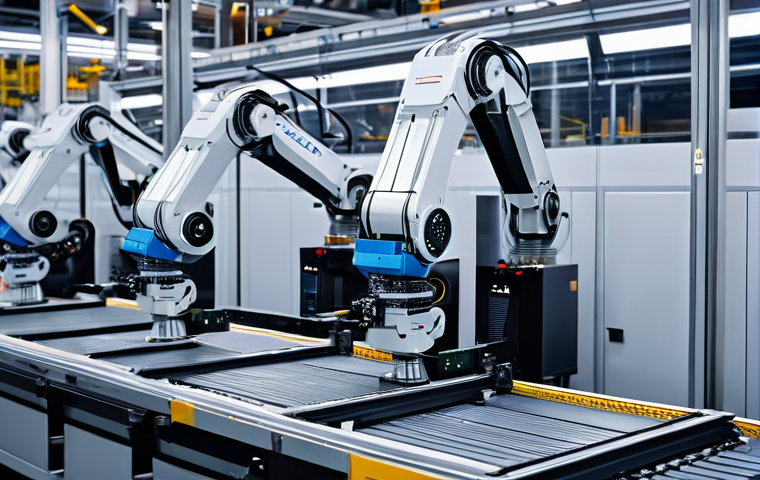
Let’s talk brass tacks for a moment because, let’s face it, career growth often comes hand-in-hand with financial growth. And in the world of industrial automation, the financial upside of certification is absolutely undeniable. I’ve personally experienced and witnessed friends in the field secure significantly higher salaries and better benefits packages after investing in their automation credentials. It’s not just a marginal bump; we’re often talking about substantial increases that dramatically improve quality of life. Employers are willing to pay a premium for individuals who can hit the ground running with verified skills, especially in a field where skilled labor is in such high demand. Think about it: a company investing millions in automated machinery needs to ensure that they have the top talent to design, install, maintain, and optimize these systems. Your certification acts as a signal of that top talent, making you a highly desirable and thus, highly compensated, candidate. It’s about leveraging specialized knowledge in a high-demand market to command the compensation you deserve.
Show Me the Money: Salary Expectations Post-Certification
While exact figures can vary wildly depending on location, experience, and specific specialization, I can confidently say that becoming certified in industrial automation puts you in a much stronger negotiating position. Entry-level automation technicians with certifications can often start significantly higher than their uncertified counterparts. As you gain experience and add more specialized certifications, your earning potential can soar. Many certified automation engineers and integrators in major industrial hubs are pulling in six-figure salaries. I’ve seen salary bands for certified professionals jump by 15-30% after acquiring a key certification. It’s not just about the starting salary either; it’s about the rapid growth trajectory. The investment in your education often pays for itself many times over within just a few years. It’s one of the smartest financial decisions you can make for your career.
Investing in Yourself: The ROI of Automation Education
Think of getting certified not as an expense, but as a strategic investment in your future. Just like investing in a good stock or real estate, education in a high-growth field like industrial automation offers an incredible return on investment (ROI). The costs associated with courses, exams, and materials are often quickly recouped through higher wages, signing bonuses, and faster career progression. Beyond the immediate financial gains, there’s also the long-term career stability and job security that comes with being an expert in a critical field. Automation isn’t going anywhere; it’s only going to become more pervasive. So, by arming yourself with these skills now, you’re essentially building a robust, recession-proof career. I’ve often advised people to view these costs as an accelerator for their career, not a barrier. The sooner you invest, the sooner you start reaping the rewards.
Tips from the Trenches: My Journey to Certification Success
Alright, so I’ve talked a lot about *why* certification is great, but let me share some of my personal “lessons learned” from actually going through the process. When I decided to pursue my first automation cert, I was working full-time, and let’s just say my free time was a precious commodity. It felt daunting at first, trying to balance work, life, and studying complex technical concepts. But what I quickly realized was the importance of a structured approach and not trying to cram everything at the last minute. Trust me, I learned that the hard way! It’s also crucial to find a study method that genuinely works for you. For me, it was a mix of online courses, a good textbook, and most importantly, hands-on practice with simulation software or even small hardware kits. Don’t be afraid to connect with others who are also studying or who have already passed; their insights can be invaluable. This isn’t just about passing an exam; it’s about genuinely understanding the material so you can apply it effectively in the real world. Every challenge I faced during my study period made me a more capable and confident professional, and honestly, the sense of accomplishment when I finally passed was incredible.
Crafting Your Study Strategy: What Worked for Me
My biggest tip for studying? Break it down. Seriously, trying to tackle an entire curriculum at once is a recipe for burnout. I found it incredibly helpful to set small, achievable goals each week. For example, dedicating one evening to PLC ladder logic and another to HMI screen design. I also discovered that actively trying to *explain* concepts to a study buddy (or even just to my cat!) solidified my understanding much more than just passively reading. Practice exams were another lifesaver – they helped me identify my weak spots and get comfortable with the format. Don’t underestimate the power of spaced repetition; revisiting tough topics every few days really helps cement them in your memory. And please, don’t forget to take breaks! A fresh mind learns better than an exhausted one. My experience taught me that consistency, even for short bursts, beats irregular, marathon study sessions every time.
Beyond the Books: Hands-On Experience is Key
While theoretical knowledge is essential, nothing, and I mean nothing, beats hands-on experience. If your certification program offers labs, take full advantage of them. If not, consider investing in a small PLC starter kit or using simulation software. I can’t tell you how many times a concept that felt abstract in a textbook suddenly clicked when I saw it implemented on a physical device. Troubleshooting real circuits, writing code that actually controls something, or configuring an HMI to interact with a simulated process – that’s where the magic happens. It builds muscle memory, problem-solving instincts, and confidence. For me, spending weekends tinkering with my own mini-automation setup was not only great for learning but genuinely fun. It transforms passive learning into active skill development, which is exactly what employers are looking for.
Staying Ahead of the Curve: Continuous Learning in a Rapidly Evolving Field
The exciting (and sometimes slightly terrifying) thing about industrial automation is that it never stops evolving. Just when you think you’ve got a handle on things, a new technology emerges, a different protocol gains traction, or a more efficient methodology takes hold. But here’s the kicker: this constant change is precisely what makes it such a dynamic and rewarding field! For me, staying relevant isn’t just about reading industry news; it’s about actively engaging with new developments and seeing how they fit into the bigger picture. After getting my initial certifications, I quickly realized that the journey of learning doesn’t end – it actually just begins. It’s about cultivating a mindset of lifelong learning, always being curious, and proactively seeking out new knowledge. This commitment to continuous improvement is not just beneficial; it’s absolutely essential if you want to maintain your edge and remain a highly sought-after expert in this fast-paced environment. It’s a bit like being a professional athlete; you can’t just stop training after winning a championship; you have to keep refining your skills.
The Next Big Thing: Emerging Technologies to Watch
So, what’s on the horizon? From my vantage point, keep a close eye on the advancements in AI and Machine Learning being integrated into automation systems. Predictive maintenance, quality control through machine vision, and even adaptive control algorithms are becoming incredibly powerful. Then there’s the ongoing convergence of IT and Operational Technology (OT), often called Industry 4.0 or the Industrial Internet of Things (IIoT). This means more data, more connectivity, and new challenges around cybersecurity. Edge computing, advanced robotics (think collaborative robots becoming even more commonplace), and even virtual/augmented reality for training and maintenance are all areas that are rapidly gaining traction. I’ve found that even dedicating an hour a week to reading up on these trends and experimenting with new software keeps me engaged and ensures I’m ready for whatever comes next. It’s like being at the forefront of a technological revolution, and honestly, it’s an exhilarating place to be.
Beyond Certification: Building Your Professional Network
While certifications prove your technical prowess, your professional network is your lifeline in a constantly changing industry. I can’t stress enough how valuable it’s been for me to connect with other automation professionals. Whether it’s through online forums, local industry meetups, or conferences, these connections provide invaluable insights, mentorship opportunities, and even leads on cutting-edge projects. I’ve learned so much from simply having conversations with seasoned engineers about their experiences with new technologies or their approaches to complex problems. It’s not just about what you know; it’s also about who you know and the collective knowledge you can tap into. Building a strong network also helps you stay motivated, bounce ideas off others, and feel like you’re part of a larger community that’s pushing the boundaries of what’s possible in industrial automation. It truly enriches the entire professional experience and opens doors you might never find on your own.
| Certification Type | Key Focus Areas | Typical Providers | Estimated Duration/Cost (USD) |
|---|---|---|---|
| PLC Programming (Vendor-Specific) | Ladder Logic, Structured Text, HMI Development, System Troubleshooting on specific platforms. | Rockwell Automation (Allen-Bradley), Siemens, Schneider Electric, Mitsubishi Electric | 2-5 days per course; $1,500 – $3,000+ per course |
| Industrial Robotics Programming | Robot Kinematics, Path Planning, Gripper/Tooling Integration, Safety, Vision Systems. | FANUC, ABB, KUKA, Universal Robots | 1-2 weeks per level; $2,000 – $5,000+ per course |
| Certified Control Systems Technician (CCST) | Instrumentation, Control Devices, Troubleshooting, Calibration, Maintenance. | ISA (International Society of Automation) | Self-study + exam; Exam: $350 – $550 |
| Systems Integration (CSIA Certified) | Best Practices in Project Management, Financials, Quality, Human Resources, Technical Expertise for system integrators. | CSIA (Control System Integrators Association) | Varies (company-level certification); Individual roles often require relevant experience. |
| Cybersecurity for Industrial Control Systems (ICS) | Threats to ICS, Vulnerability Assessment, Network Security, Compliance. | SANS Institute, ISA, Various vendors | 5-6 days per course; $7,000 – $8,500+ per course |
Wrapping Up Our Journey
Whew! What a ride, right? As we pull back from this deep dive into industrial automation certification, I truly hope you feel as energized and inspired as I always do talking about this field. It’s more than just a career; it’s an opportunity to be at the forefront of innovation, solving real-world problems and building the future. I’ve personally seen the doors it opens, the confidence it instills, and yes, the significant financial rewards it brings. Don’t just take my word for it; take that first step, explore the options, and watch your career trajectory soar! This isn’t just about jobs; it’s about building a future-proof, incredibly rewarding path where you’re genuinely indispensable.
Useful Info You’ll Be Glad You Knew
1. Connect, Connect, Connect! Seriously, networking is gold. Join LinkedIn groups, attend virtual industry webinars, or find local meetups. Other professionals often share invaluable insights, job leads, and even mentorship opportunities that you won’t find just by searching online. I’ve landed some amazing opportunities just by having a coffee chat with someone I met at a conference.
2. Start Small, Think Big. You don’t need to conquer the most complex certification first. Begin with foundational courses in PLCs or basic robotics. Building a solid base will make advanced topics much easier to grasp, and it will give you quick wins that boost your confidence and make you feel accomplished right away.
3. Leverage Online Resources. Beyond formal courses, there’s a treasure trove of free or low-cost learning materials online. YouTube tutorials, vendor documentation, and even open-source automation projects can provide practical experience and deepen your understanding without breaking the bank. I spent countless hours dissecting example code and watching how-to videos.
4. Don’t Underestimate Soft Skills. Technical expertise is crucial, but don’t forget communication, problem-solving, and teamwork. Being able to explain complex technical issues clearly to a non-technical audience or collaborate effectively with a team can make you an even more valuable asset in any industrial setting. It’s often the differentiator between a good technician and a great leader.
5. Consider Apprenticeships or Internships. If you’re fresh to the field or looking to transition, hands-on experience is paramount. Many companies offer apprenticeships or internships that combine learning with on-the-job training. This is a fantastic way to gain real-world exposure, build your resume, and often leads directly to full-time employment. I know several people who kicked off their careers this way.
Key Takeaways to Power Your Future
To truly thrive in today’s rapidly evolving industrial landscape, becoming certified in automation isn’t just a suggestion—it’s a strategic imperative. Your investment in specialized knowledge and verified skills will directly translate into a more robust, financially rewarding, and incredibly stable career path. Remember, this field is constantly growing, ensuring that demand for your expertise will only increase. Embrace continuous learning, actively seek out hands-on experience, and build a strong professional network. These elements combined will not only open doors to advanced roles and higher earnings but also position you as an indispensable problem-solver at the cutting edge of modern manufacturing. This is your moment to truly future-proof your career and carve out a highly impactful professional life.
Frequently Asked Questions (FAQ) 📖
Q: Why is getting certified in industrial automation such a game-changer for my career right now?
A: Oh, this is such a fantastic question, and honestly, it’s one I get asked a lot! From my experience, and what I’ve seen countless times in the industry, an industrial automation certification isn’t just a nice-to-have anymore – it’s quickly becoming a non-negotiable for anyone serious about a thriving, future-proof career.
Think about it: every factory floor, every logistics hub, every advanced manufacturing plant is rapidly adopting robotics, AI, and smart systems. Companies aren’t just looking for people who can operate these systems; they need professionals who genuinely understand them, can troubleshoot them, and even help design the next generation.
I remember talking to a friend who was stuck in a stagnant role, feeling like his skills were becoming obsolete. He took the plunge, got certified in PLC programming, and within six months, he wasn’t just offered a significant promotion at his current company, but he also had two other offers from top-tier firms!
The demand is absolutely insane. It’s not just about getting a job; it’s about getting a better job, with better pay, more exciting challenges, and a real sense of being at the forefront of innovation.
This certification essentially stamps you as someone who speaks the language of the future, telling employers, “Hey, I’m ready for what’s next, and I can bring real value to your operation from day one.” Trust me, investing in this certification is investing in your entire career trajectory.
Q: With so many different types of automation, which certification path should I actually consider, and how do I pick the “right” one for me?
A: That’s a totally valid point – the landscape of industrial automation can feel a bit like a jungle at first glance, right? There are so many branches, from robotics and PLCs (Programmable Logic Controllers) to SCADA systems, industrial IoT, and even specialized certifications in specific vendor technologies like Siemens or Allen-Bradley.
Choosing the “right” one really boils down to a few things: where you are now, where you want to go, and what genuinely excites you. If you’re just starting out or looking for a really solid foundational skill, I’d personally recommend looking into PLC programming or basic robotics certifications.
PLCs are truly the “brains” of most automated systems, so understanding them opens up a huge number of doors. I’ve seen engineers, electricians, and even IT professionals boost their careers immensely by mastering PLCs.
If you’re fascinated by mechanical movement and intelligent machines, then a robotics certification could be your sweet spot – imagine programming an industrial arm to precisely assemble components!
My advice? Take a moment to reflect. Are you more drawn to the software and logic side, or the hardware and mechanical side?
What kind of industries are you passionate about? Research job descriptions for roles that sound appealing to you. Many will explicitly list desired certifications.
Don’t feel pressured to know everything from the start. Start with a foundational certification that broadens your core skills, and then you can always specialize further down the line.
It’s an evolving journey, and each step adds to your expertise and marketability.
Q: What’s the best way to prepare for these certifications, and how can I really make the knowledge stick so it’s useful in the real world?
A: Okay, so you’re ready to dive in – that’s the spirit! Preparing for an industrial automation certification isn’t just about memorizing facts; it’s about building practical, hands-on skills that you can actually deploy.
Based on my own learning journey and watching countless successful professionals, here’s my go-to strategy:First, mix theory with practice. Online courses are fantastic for the theoretical groundwork, explaining concepts like ladder logic, sensor types, or robot kinematics.
But where the magic really happens is when you get your hands dirty. If you can, find opportunities for hands-on experience. This might mean setting up a small home lab with a micro-PLC (they’re surprisingly affordable now!), volunteering for projects at your current workplace, or seeking out community college programs that offer practical lab sessions.
There’s nothing quite like troubleshooting a real wiring mistake or debugging a faulty program to solidify your understanding. I remember thinking I totally “got” sequential function charts until I tried to implement one on an actual machine – totally different ballgame, and I learned so much more from that struggle!
Second, leverage online communities and networks. Join forums, LinkedIn groups, and even local meetups focused on industrial automation. These are goldmines for asking questions, seeing how others solve problems, and even finding study partners.
Someone else’s real-world problem could be your next learning breakthrough! Finally, don’t underestimate the power of projects. Instead of just doing the minimum to pass, challenge yourself to build something, even a simple automated process.
Can you make an LED blink in a specific pattern using a PLC? Can you program a robotic arm simulator to pick and place objects? These mini-projects not only reinforce your learning but also become fantastic talking points in job interviews, demonstrating your practical ability and passion.
Making the knowledge “stick” isn’t about rote learning; it’s about doing, failing, learning, and doing again. That’s how you truly become an expert!
📚 References
Wikipedia Encyclopedia
구글 검색 결과
구글 검색 결과
구글 검색 결과
구글 검색 결과
구글 검색 결과