Hey there, automation enthusiasts! Have you ever walked into a facility and felt that undeniable buzz of efficiency, where everything just *works*? That’s the magic of brilliantly designed automation.
We’re living in an era where robots aren’t just for sci-fi movies; they’re integral to how our goods are produced, our warehouses are run, and even how our buildings stay smart.
I’ve personally seen firsthand how a well-thought-out automated system can completely transform a workspace, not just in terms of productivity, but also by empowering human workers to focus on more creative and strategic tasks.
It’s no longer about replacing people, but augmenting their capabilities and making operations smarter, safer, and far more adaptable. This isn’t just a trend; it’s the inevitable evolution, shaped by incredible advancements in AI, robotics, and the Industrial Internet of Things (IIoT).
We’re talking about everything from predictive maintenance that catches issues before they become headaches to dynamic factory layouts that adjust to shifting demands in real-time.
It’s a challenging yet incredibly rewarding field, where practical knowledge and foresight can make all the difference. So, if you’re keen to understand the nitty-gritty of bringing these high-tech dreams to life, and want to avoid the common pitfalls I’ve seen pop up in real-world projects, then you’ve come to the right place.
I’ll walk you through the specifics of automated facility design in our deep dive below, sharing insights that you can truly apply. Let’s get into the details and make your next project a resounding success!
Understanding Your Operational Blueprint: The Foundation of Automation Success
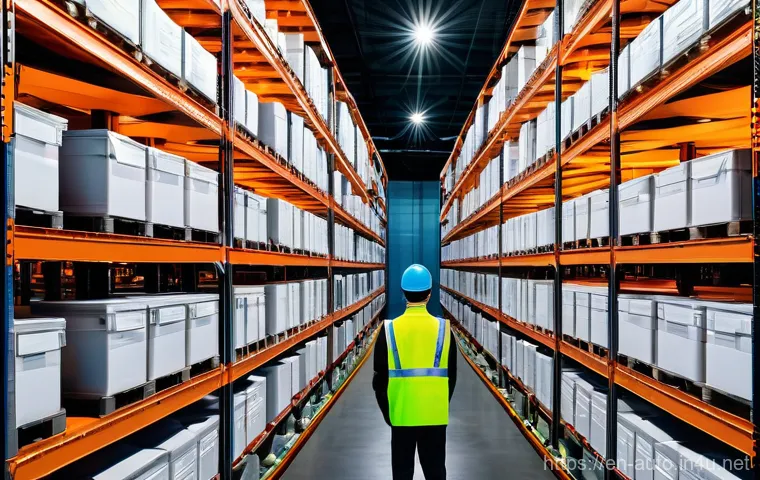
Before a single robot rolls onto your floor or a line of code is even considered, I’ve found that the absolute most critical step in automated facility design is deeply understanding your current operations. Trust me, I’ve seen projects falter because someone got excited about shiny new tech without truly grasping their existing bottlenecks or unique workflow nuances. This isn’t just about what you *think* you need; it’s about what your process *demands*. We’re talking about a forensic deep dive into every single step, every human interaction, every material flow, and every data point. You need to map out your value stream like your business depends on it – because, honestly, it does. What are your peak times? What are the slowest points? Where does human error most often creep in? Asking these tough questions upfront saves you a world of headaches and wasted capital down the line. It’s about building a future-proof system, not just applying a band-aid. From my personal experience, ignoring this foundational step is like trying to build a skyscraper without a blueprint – it’s just asking for trouble.
Deep-Dive into Current Processes for Optimal Automation
This isn’t a quick once-over; it’s a commitment. You’ll want to gather data on everything: cycle times, labor costs, energy consumption, defect rates, and even the physical movements of your team. I always tell my clients, “Walk the floor, talk to the people doing the work.” They’re your goldmine of information, pointing out inefficiencies that no spreadsheet could ever reveal. From the moment raw materials arrive to the second your finished product ships, every touchpoint is a potential candidate for automation or optimization. For instance, in one project, we discovered that a seemingly minor manual quality check was actually creating a significant bottleneck due to inconsistent human judgment. Automating that specific inspection not only sped things up but also drastically improved consistency and reduced rework. It’s about being observant, asking “why” relentlessly, and visualizing how each process step contributes to the whole.
Setting Clear, Measurable Goals for Your Automated System
Once you’ve got that crystal-clear picture of your current state, it’s time to define what success looks like. And I mean *really* define it. “Improved efficiency” isn’t a goal; it’s a wish. You need specific, measurable, achievable, relevant, and time-bound (SMART) objectives. Are you aiming for a 20% reduction in labor costs within 18 months? A 30% increase in throughput by Q4 next year? A 50% decrease in material waste? When I was involved in a massive warehouse overhaul, our primary goal was to increase order fulfillment speed by 40% while maintaining accuracy, and we used that metric to guide every single decision, from robotic picking systems to conveyor belt speeds. Having these clear targets keeps everyone aligned, from the engineers on the floor to the executives in the boardroom, and provides a tangible benchmark against which you can measure your return on investment.
Choosing the Right Robotic Sidekicks: From Cobots to AGVs
Alright, so you’ve got your operational blueprint down, and you know what you want to achieve. Now for the exciting part: picking the right automation tools! The world of robotics is absolutely buzzing with innovation, and it’s easy to get overwhelmed by all the fantastic options out there. From collaborative robots (cobots) that work alongside your human team, to autonomous guided vehicles (AGVs) zipping materials around, and even advanced robotic arms tackling precision tasks, each technology has its own superpower. My advice? Don’t just go for the flashiest tech. Instead, align the robot’s capabilities directly with the specific pain points you identified in your operational analysis. Is your issue heavy lifting? Repetitive assembly? High-speed sorting? Each scenario calls for a different kind of mechanical muscle, and understanding their strengths and limitations is key to making a truly smart investment. I’ve seen facilities try to force a one-size-fits-all robotic solution, and it almost always leads to suboptimal performance and frustration.
Evaluating Different Robotic Technologies for Your Needs
This is where your deep dive into processes really pays off. If you’re dealing with tasks that require human-level dexterity and precision but are highly repetitive and prone to ergonomic injury, a robotic arm might be your hero. For transporting goods across a large facility, an AGV or its more sophisticated cousin, the autonomous mobile robot (AMR), could be a game-changer, intelligently navigating dynamic environments. And if you’re looking to boost productivity without fully replacing human workers, collaborative robots are absolutely phenomenal. They can handle the monotonous, heavy, or dangerous parts of a job, allowing your team to focus on quality control, problem-solving, and more value-added activities. It’s about finding the perfect partner for each task.
Cost-Benefit Analysis and Scalability of Robotic Solutions
Let’s talk brass tacks: cost and future-proofing. It’s not just the upfront purchase price of the robot, but also integration costs, maintenance, training, and potential energy consumption. I always urge clients to look beyond the initial sticker shock and consider the long-term ROI. How quickly will this investment pay for itself? What are the ongoing operational savings? Furthermore, think about scalability. Will this robotic system grow with your business? Can you easily add more units or re-task existing ones as your needs evolve? Investing in a modular, flexible system often yields better long-term results, even if the initial outlay seems a bit higher. I once helped a company implement a modular AMR system that allowed them to scale their fleet up and down based on seasonal demand, which proved to be incredibly cost-effective in the long run.
The Brains of the Operation: Integrating Software and AI
You can have the most advanced robots in the world, but without intelligent software and a sprinkle of AI, they’re just fancy pieces of metal. The true magic of automation lies in the seamless integration of hardware with powerful software that orchestrates every move, collects vital data, and makes smart decisions in real-time. This is where your facility truly becomes ‘smart.’ We’re talking about everything from Manufacturing Execution Systems (MES) that manage production flow, to Warehouse Management Systems (WMS) optimizing storage and retrieval, and even AI-driven predictive maintenance platforms that catch issues before they turn into costly breakdowns. I’ve personally witnessed the frustration when a cutting-edge robotic arm can’t communicate effectively with the conveyor system it’s loading, simply because the software integration was an afterthought. It’s like having a brilliant team that can’t talk to each other – utterly unproductive.
Choosing the Right Control Systems and Software Platforms
Selecting the right software stack is as critical as choosing the robots themselves. You need systems that are robust, flexible, and ideally, interoperable. Think about PLCs (Programmable Logic Controllers) for controlling individual machines, SCADA (Supervisory Control and Data Acquisition) systems for monitoring entire operations, and higher-level enterprise software that integrates everything. My advice is to prioritize open architectures and APIs wherever possible. This gives you the flexibility to integrate new technologies down the road without getting locked into a proprietary ecosystem that might stifle your growth. In a recent project, we opted for a WMS with a highly configurable API, which allowed us to seamlessly integrate new picking robots from a different vendor without a complete system overhaul – a huge win for future adaptability.
Leveraging AI and Machine Learning for Predictive Capabilities
This is where automation truly transcends simple mechanics and enters the realm of intelligent operations. AI and machine learning algorithms can analyze vast amounts of data from your automated systems to predict equipment failures, optimize energy consumption, identify quality control anomalies, and even forecast demand more accurately. Imagine knowing that a specific motor is likely to fail in the next two weeks, allowing you to schedule maintenance proactively and avoid unplanned downtime. Or an AI system that constantly tweaks robot paths to minimize travel time and maximize throughput based on real-time traffic within your facility. I’ve seen these predictive capabilities transform maintenance from a reactive headache to a strategic advantage, drastically reducing operational costs and ensuring continuous production.
Laying the Groundwork: Infrastructure and Layout Considerations
Okay, so you’ve got your automated processes mapped out, your robots selected, and your software strategy in place. Now, where are you going to put all this amazing tech? The physical layout and underlying infrastructure of your facility are absolutely paramount to the success of any automation project. You can’t just drop robots into an existing space and expect magic to happen; often, significant modifications are necessary. We’re talking about everything from floor strength and power supply to network connectivity and even climate control. I’ve walked into facilities where the brilliant automation plan was stalled because the existing electrical grid couldn’t handle the new load, or the floor wasn’t level enough for an AGV fleet to operate safely. These aren’t minor details; they are fundamental prerequisites. Getting this right from the start avoids costly rework and delays that can easily derail your entire timeline and budget.
Optimizing Physical Layout for Automated Workflows
This is where you literally draw the lines for efficiency. Your facility layout needs to minimize unnecessary movement, reduce bottlenecks, and create clear, unobstructed paths for robots and materials. Think about dedicated zones for different processes, optimal placement of charging stations for AGVs, and ergonomic considerations for any human-robot collaborative workstations. Sometimes, this means a complete redesign of your floor plan. For instance, in a large manufacturing plant, we reconfigured the entire material handling flow to create a one-way path for raw materials to finished goods, using conveyors and AMRs, which drastically reduced congestion and cycle times. It’s like choreographing a complex dance – every piece needs to move in harmony without colliding.
Essential Infrastructure Upgrades for Automated Facilities
Beyond the layout, you need to consider the silent heroes of any automated facility: the infrastructure. Is your power supply robust enough? Do you have adequate network connectivity – both wired and wireless – to support all your connected devices and data transfer needs? What about lighting and ventilation, especially if you’re introducing vision systems or heat-generating machinery? And don’t forget floor conditions; level, clean floors are crucial for smooth robot operation. I’ve personally overseen projects where upgrading the Wi-Fi infrastructure from an afterthought to a high-priority investment made a dramatic difference in the reliability and performance of an entire fleet of mobile robots. It’s about building a robust foundation that can support all the high-tech marvels you’re bringing in.
Safety First, Always: Ensuring a Secure Automated Environment
Let me be absolutely clear on this: safety is non-negotiable. When you introduce automation and robotics into any environment, especially one where humans and machines might interact, safety must be the top priority from day one. This isn’t just about compliance with regulations, although that’s incredibly important; it’s about protecting your most valuable asset – your people – and ensuring a trustworthy and responsible operation. I’ve always emphasized that a truly smart facility is a safe facility. Cutting corners here isn’t just risky; it’s irresponsible and can lead to severe consequences, both human and financial. We need to think proactively about potential hazards, implement robust safety protocols, and continually educate everyone involved about best practices. It’s about building a culture where safety is ingrained in every design decision and every operational procedure.
Implementing Robust Safety Protocols and Guarding
When designing an automated system, you absolutely must incorporate multiple layers of safety. This includes physical guarding – think fences, light curtains, and pressure mats – to prevent unauthorized access to dangerous zones. But it goes beyond that. Emergency stop buttons must be strategically placed and easily accessible. Vision systems, laser scanners, and proximity sensors are crucial for detecting human presence and slowing or stopping machines before any contact can occur, especially with collaborative robots. I recall a project where we meticulously designed light curtain zones around a robotic welding cell. If anyone broke the beam, even accidentally, the robot immediately entered a safe stop state, demonstrating that proactive physical and sensor-based guarding is absolutely paramount for accident prevention.
Training and Human-Robot Collaboration Guidelines
Even with the best physical safeguards, human error can still pose risks. That’s why comprehensive training for every employee who will interact with or work near automated systems is indispensable. They need to understand how the machines operate, what their safety features are, and how to react in an emergency. Furthermore, establishing clear guidelines for human-robot collaboration is vital. When cobots are involved, defining safe working envelopes, speed limitations, and shared task protocols ensures that humans and robots can work together effectively and without incident. It’s about empowering your team with the knowledge and confidence to work safely alongside their automated colleagues.
Beyond Installation: Maintenance, Scalability, and Future-Proofing

Okay, the robots are whirring, the conveyors are moving, and your automated facility is humming along – congratulations! But here’s the thing: commissioning is just the beginning. A truly successful automation strategy doesn’t end with installation; it extends far into the future, encompassing proactive maintenance, built-in scalability, and a forward-thinking approach to technological evolution. I’ve seen projects where the initial setup was brilliant, but without a solid plan for ongoing support and adaptation, the system quickly became outdated or unreliable. Think of your automated facility as a living, breathing entity that needs continuous care and occasional upgrades to thrive. Neglecting this long-term perspective is a common pitfall, and it’s something I always try to steer my clients away from.
Developing a Proactive Maintenance and Support Strategy
Downtime is a killer for productivity, so a robust maintenance strategy is crucial. This isn’t just about fixing things when they break; it’s about preventing breakdowns in the first place. Implement a rigorous preventive maintenance schedule based on manufacturer recommendations and your own operational data. Consider predictive maintenance technologies, as we discussed, using AI to anticipate failures. You also need a plan for spare parts inventory, technical support access (either in-house or third-party), and clear troubleshooting procedures. I always encourage clients to dedicate a skilled team member or even a small team to automation maintenance, ensuring they have the expertise to keep everything running smoothly. Having trained personnel on standby can literally save you days of lost production.
Designing for Future Scalability and Adaptability
The world moves fast, and your automated facility needs to be ready to move with it. Market demands change, product lines evolve, and new technologies emerge at a breathtaking pace. That’s why designing for scalability and adaptability from day one is non-negotiable. This means choosing modular systems that can be easily expanded or reconfigured. Opt for software platforms with open APIs that can integrate with future tools. Think about the physical space: can you add more robotic cells, conveyors, or storage systems without a complete overhaul? When I designed an automated assembly line, we deliberately left space and pre-wired certain zones, anticipating future expansion needs. This foresight saved the client millions when they needed to double their production capacity two years later.
Unlocking the ROI: Measuring Success and Continuous Improvement
Let’s be honest, investing in automation is a significant undertaking, and everyone wants to know they’re getting a solid return. The true measure of a successful automated facility isn’t just that it *works*, but that it delivers tangible value and continually improves. This means meticulously tracking key performance indicators (KPIs) and using that data to refine your operations and prove the value of your investment. It’s not a “set it and forget it” kind of deal. The most impressive automated facilities I’ve encountered are those that treat continuous improvement as an ongoing journey, constantly seeking out marginal gains and leveraging data to make smarter decisions. This mindset is what truly differentiates a good automation project from a truly outstanding one.
Defining and Tracking Key Performance Indicators (KPIs)
Remember those SMART goals we set earlier? This is where they come into play. You need to identify the KPIs that directly relate to your objectives and then establish systems to track them rigorously. This could include metrics like:
- Overall Equipment Effectiveness (OEE)
- Throughput rate (units per hour/day)
- Labor cost reduction
- Defect rate reduction
- Energy consumption
- Downtime percentage
- Return on Investment (ROI) period
By continuously monitoring these metrics, you gain a clear picture of your automation system’s performance and can identify areas that need adjustment or optimization. I once worked with a client who diligently tracked their OEE across multiple automated lines, and we used that data to pinpoint a specific type of sensor that was consistently underperforming, allowing for a targeted replacement that boosted overall productivity by 5%.
Implementing a Culture of Continuous Optimization
The beauty of automation is its ability to generate vast amounts of data. The real power comes from analyzing that data and using it to drive continuous improvement. Hold regular review meetings with your operations, engineering, and maintenance teams. Encourage feedback from the people working directly with the automated systems – they often have the best insights into minor adjustments that can yield significant benefits. This iterative process of monitoring, analyzing, adjusting, and re-monitoring is what keeps your automated facility at peak performance. It’s about fostering a culture where everyone is invested in making things better, even after the initial “new car smell” of the automation has worn off. This is the difference between simply installing technology and truly leveraging it for ongoing competitive advantage.
Navigating Regulatory Compliance and Ethical Considerations
As exciting as automation is, we absolutely cannot overlook the critical aspects of regulatory compliance and the ethical implications of deploying advanced technology. Every industry and region has its own set of rules and standards, and adhering to them isn’t just good practice—it’s a legal imperative. From safety standards like OSHA in the US or ISO standards internationally, to data privacy regulations like GDPR, ignoring these can lead to hefty fines, operational shutdowns, and severe reputational damage. But beyond the legalities, there’s a growing conversation about the ethical responsibility that comes with automation. How does it impact your workforce? What are the broader societal effects? I’ve learned that taking a proactive stance on these issues not only protects your business but also builds a foundation of trust and respect, both internally and externally.
Adhering to Industry Standards and Legal Requirements
This is a comprehensive task that requires a deep understanding of the specific regulations governing your industry and the locations where your automated facilities operate. You need to be familiar with machine safety directives, electrical codes, cybersecurity standards, and environmental regulations. It’s often a good idea to bring in legal counsel or specialized consultants early in the design phase to ensure that your plans are fully compliant. For example, if you’re deploying robots that might interact with food products, you’ll have an entirely different set of hygienic design standards to meet compared to a heavy manufacturing plant. I’ve seen companies get caught off guard by seemingly minor overlooked regulations, resulting in costly retrofits and delays. A compliance checklist, regularly updated, is your best friend here.
Addressing the Human Element: Ethics and Workforce Impact
Automation brings undeniable benefits, but it also sparks questions about jobs and the future of work. As automation influencers, we have a responsibility to address these concerns thoughtfully and transparently. How are you retraining your workforce for new roles that emerge from automation? Are you creating opportunities for your existing employees to upskill and become automation technicians or data analysts? It’s crucial to communicate clearly about how automation will augment, not just replace, human capabilities. Think about the ethical considerations of data collection from automated systems – how is it stored, protected, and used? Fostering a positive narrative around automation as a tool for progress, growth, and safer workplaces, supported by genuine investment in your human capital, is key.
The Automation Project Lifecycle: From Pilot to Full Deployment
Embarking on an automation journey can feel like a massive undertaking, and it often is. That’s why I always advocate for a structured, phased approach rather than trying to automate everything at once. Jumping straight to full deployment without adequate testing and validation is a recipe for disaster, trust me. I’ve seen more than a few ambitious projects hit a wall because they skipped the crucial pilot phase. Thinking about the project lifecycle as a series of carefully managed steps, from initial concept to full-scale operation, helps mitigate risks, allows for learning and adjustments, and ultimately leads to a much smoother and more successful outcome. It’s about building confidence and proving your concepts incrementally.
The Importance of Pilot Programs and Staged Rollouts
A pilot program is your best friend when it comes to automation. It allows you to test your theories, validate your chosen technologies, and work out any kinks on a smaller, more manageable scale before committing to a full-blown investment. Start with a single process, a single cell, or a specific area of your facility. Gather data, identify bottlenecks, and refine your design and software configurations. This iterative process is invaluable. Once your pilot is successful, you can then move to a staged rollout, gradually expanding the automation to other areas or processes. This approach minimizes disruption, reduces risk, and provides tangible successes that build momentum and internal buy-in. I personally witnessed how a small pilot project for automated palletizing not only proved the technology but also helped us optimize the palletizing pattern, leading to even greater efficiency during the full deployment.
Managing Change and Stakeholder Engagement
Any significant change, especially one involving technology, needs careful management of human factors. Communication and stakeholder engagement are absolutely vital throughout the entire project lifecycle. This includes your employees, management, suppliers, and even customers. Keep everyone informed about the ‘why’ behind the automation, the benefits it will bring, and how it will impact their roles. Address concerns openly and provide opportunities for feedback. In my experience, resistance to change often stems from a lack of understanding or fear of the unknown. Proactive communication and involving the team in the process can transform potential resistance into enthusiastic adoption. Remember, automation is a journey, not just a destination, and bringing everyone along is crucial for a smooth and successful transition.
I’ve put together a quick comparison table for some common automation technologies to give you a clearer picture of where each shines:
| Automation Technology | Best Use Case | Key Benefits | Common Challenges |
|---|---|---|---|
| Collaborative Robots (Cobots) | Repetitive tasks in close proximity to humans; light assembly | Safety, flexibility, ease of programming, human-robot collaboration | Lower payload/speed than industrial robots, higher initial cost than manual |
| Autonomous Guided Vehicles (AGVs) / Autonomous Mobile Robots (AMRs) | Material transport, warehousing, logistics | Reduced labor costs, improved safety, optimized material flow, scalability | Initial setup cost, navigation complexity (AGVs), floor conditions (AMRs) |
| Industrial Robotic Arms | High-speed, high-precision manufacturing; heavy lifting, welding, painting | High speed and accuracy, heavy payloads, extreme repeatability | Requires safety guarding, less flexible for re-tasking, higher complexity |
| Automated Storage & Retrieval Systems (AS/RS) | High-density storage, efficient inventory management in warehouses | Maximized space utilization, reduced retrieval times, improved inventory accuracy | High initial investment, requires significant facility modification, limited flexibility |
Concluding Thoughts
Phew! What a journey we’ve taken through the fascinating world of facility automation. It’s clear that building a truly smart, efficient, and safe operation isn’t about simply buying the latest tech, but rather about a thoughtful, holistic strategy. From deeply understanding your current operations and setting clear goals to selecting the right robotic partners, integrating intelligent software, and prioritizing safety, every piece of the puzzle truly matters. My hope is that this deep dive has demystified some of the complexities and shown you that with careful planning and a human-centric approach, the future of your automated facility can be incredibly bright and profitable.
Useful Information to Know
1. Always start with a thorough audit of your existing processes. You can’t fix what you don’t fully understand.
2. Don’t be afraid to start small with pilot programs. They’re invaluable for testing, learning, and building confidence before a full-scale rollout.
3. Invest in ongoing training for your team. Empowering your employees to work with new technology is crucial for long-term success and smooth operations.
4. Think about the long game. Choose modular, flexible automation solutions that can scale and adapt as your business needs evolve, avoiding costly overhauls down the line.
5. Prioritize cybersecurity from day one. As you connect more devices, protecting your data and systems becomes just as important as physical safety.
Key Takeaways
Diving into facility automation can seem daunting, but from my experience, it truly boils down to a few core principles that, when followed, pave the way for incredible success. First and foremost, you absolutely must conduct an exhaustive operational analysis. I mean, every single step, every human interaction, every material flow – get it all mapped out. This isn’t just theory; I’ve personally seen projects save millions by identifying seemingly minor bottlenecks during this crucial initial phase. Ignoring this is like trying to put together IKEA furniture without the instructions; you’ll end up with extra pieces and a lot of frustration. This deep understanding informs your SMART goals, making them truly actionable and measurable.
Secondly, don’t get swept away by the latest shiny gadget. The right automation tool isn’t necessarily the most advanced, but the one that perfectly addresses your identified pain points. Whether it’s a cobot making your production line safer and more collaborative, or an AMR streamlining your warehouse logistics, each piece of tech needs to earn its place by delivering tangible value. I’ve found that a careful cost-benefit analysis, looking beyond just the purchase price to include integration, maintenance, and scalability, is what separates smart investments from expensive mistakes.
Finally, remember that technology is only as good as the brains behind it. Seamless software integration and leveraging AI for predictive capabilities are what truly unlock the potential of your robots. This means choosing robust control systems, open platforms, and actively using data to drive continuous improvement. Safety, regulatory compliance, and proactively addressing the human element through training and thoughtful workforce planning are not footnotes; they are fundamental pillars of a resilient and responsible automated facility. It’s an ongoing journey of optimization, not a one-time installation, and fostering a culture of adaptability and learning is what will keep you ahead of the curve.
Frequently Asked Questions (FAQ) 📖
Q: How do you even begin to design an automated facility when the possibilities feel endless?
A: This is hands down the most common question I get, and honestly, it’s where many projects either soar or stumble right out of the gate. From my experience, the biggest mistake is trying to jump straight to robots or fancy conveyors without a crystal-clear understanding of your current operations and, more importantly, your future goals.
Think of it like building a house: you wouldn’t just start laying bricks without an architect’s blueprint, right? First, you need a thorough audit of your existing processes.
Where are your bottlenecks? What tasks are repetitive, dangerous, or just plain inefficient? I’ve found that mapping out every single step, from raw material inbound to finished product outbound, often reveals surprising areas for improvement even before automation is seriously considered.
Then, define your “North Star” – what exactly do you want automation to achieve? Is it reducing labor costs, increasing throughput, improving safety, or enhancing product quality?
Often, it’s a combination, but having a prioritized list helps immensely. Once you know where you are and where you want to go, then and only then can you start exploring the technologies that bridge that gap.
It’s an iterative process, and I’ve seen success stories emerge from taking the time to truly understand the “why” before diving into the “how.” This foundational work, though seemingly slow, is what actually accelerates successful implementation and prevents costly reworks down the line.
Q: What are the biggest pitfalls or common mistakes facility designers make when implementing automation?
A: Oh, where do I even begin? After years in this field, I’ve practically built a mental checklist of “things not to do.” One of the absolute biggest traps is underestimating the integration complexity.
It’s not just about buying a robot; it’s about making that robot talk seamlessly with your existing enterprise resource planning (ERP) system, your manufacturing execution system (MES), and even the human operators on the floor.
I once worked on a project where a fantastic new automated sorting system was installed, but the data hand-off to the inventory management system was clunky and manual, creating a brand new bottleneck!
Another huge one is neglecting the human element. Automation isn’t about eliminating people; it’s about re-skilling them. I’ve found that involving employees early in the design process, addressing their concerns, and providing robust training can turn potential resistance into enthusiastic adoption.
Plus, let’s not forget scalability. What works beautifully for today’s volume might completely crumble under tomorrow’s demand. Building in flexibility and a modular design from the start – even if it means a slightly higher upfront cost – will save you untold headaches and expenses when your business inevitably grows or pivots.
Always consider future expansion and adaptability; I’ve learned that lesson the hard way a few times!
Q: How can I ensure my automated facility design provides a strong return on investment (ROI)?
A: This is the golden question, isn’t it? Everyone wants to see those numbers make sense! My personal approach to guaranteeing a solid ROI boils down to a few core principles.
Firstly, be brutally honest with your initial cost-benefit analysis. Don’t just factor in equipment costs; include installation, software licenses, thorough training, ongoing maintenance, and even potential downtime during implementation.
On the benefit side, quantify everything you can: reduced labor hours, increased throughput, fewer errors, improved safety (which has huge intangible benefits, but can also reduce insurance costs), and better product quality.
Secondly, focus on incremental improvements if a full overhaul feels too daunting or risky. Sometimes, automating one small, high-impact process can provide quick wins and build a strong, irrefutable case for further investment.
I’ve often advised clients to “automate the bottleneck,” meaning identify the single slowest or most problematic point in your operation and apply automation there first.
Thirdly, embrace data. Modern automated systems generate a wealth of data, from machine performance to production rates. Use analytics to continuously monitor performance against your projected ROI, identify areas for optimization, and constantly prove the value.
Don’t just set it and forget it! Regularly reviewing performance and making data-driven adjustments is, in my experience, the secret sauce to maximizing those returns and keeping your automated facility a true profit center.