Hey there, fellow innovators and business enthusiasts! I’ve been completely fascinated watching how industries are transforming right before our eyes, and honestly, industrial robots are at the heart of so much of that change.
It’s not just about flashy tech; these automated workhorses are delivering some seriously compelling economic advantages, making businesses leaner, more productive, and incredibly competitive.
From streamlining complex manufacturing processes to unlocking massive savings, the impact is undeniable and truly inspiring to witness firsthand. Understanding how these intelligent machines are reshaping our financial landscape isn’t just interesting; it’s essential for anyone looking to stay ahead.
Let’s delve into exactly how industrial robots are powering unprecedented economic growth and what that means for our future.
Boosting Throughput and Efficiency Like Never Before
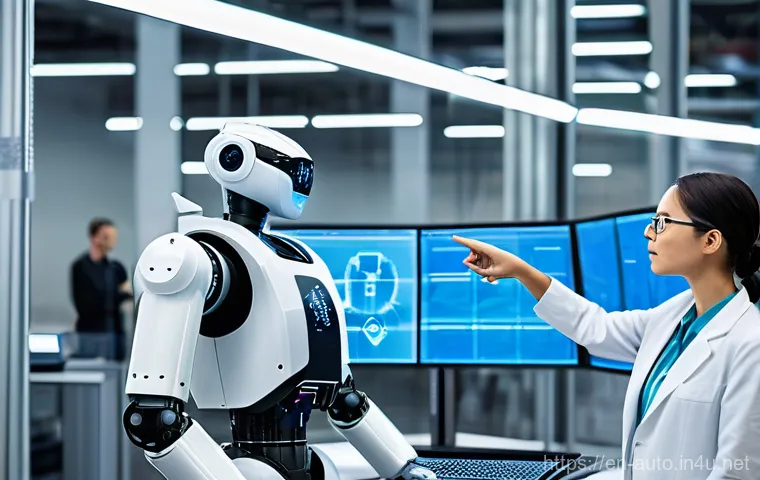
Robots: Your New Productivity Superstars
I’ve seen firsthand how industrial robots aren’t just incremental upgrades; they’re truly game-changers for productivity. Think about it: a human worker, no matter how skilled, needs breaks, can get tired, and might experience variations in their output.
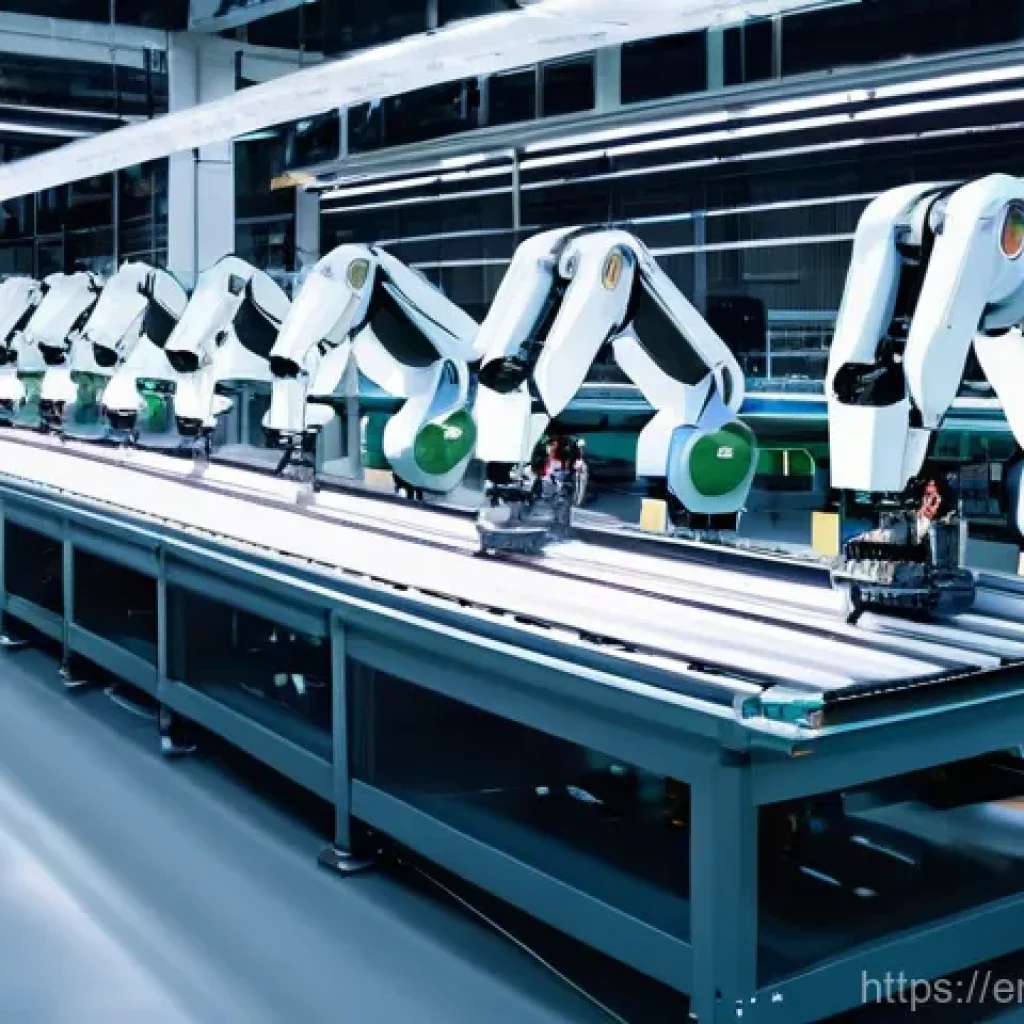
Robots? They just keep going, tirelessly repeating tasks with unwavering precision, 24/7 if you need them to. This constant, high-speed operation means a massive leap in how much product you can push through your facility.
I was talking to a friend who runs a mid-sized manufacturing plant, and he shared how after integrating just a few robotic arms for material handling and assembly, their daily output jumped by over 30%!
It’s not just about speed, it’s about consistent, relentless production that genuinely transforms your operational capabilities. The cumulative effect of these tireless workers is staggering, allowing businesses to produce more with the same or even fewer resources, directly impacting their bottom line in a hugely positive way.
It feels like you’ve suddenly unlocked a secret level of efficiency that was previously unattainable.
Eliminating Bottlenecks and Maximizing Output
One of the most frustrating things I’ve encountered in various production environments is those stubborn bottlenecks that just slow everything down. You know, that one station where work piles up, holding back the entire line.
This is where industrial robots truly shine. By taking over repetitive, often cumbersome tasks, they can maintain a steady, predictable pace that human workers sometimes struggle to match, especially over long shifts.
This smooth, continuous flow helps to iron out those kinks in the production chain. My own observation tells me that when you can predict and stabilize the speed of a critical process, the entire system benefits.
It’s like orchestrating a perfect symphony where every instrument plays its part without a single missed beat. Businesses can optimize their entire workflow around this newfound robotic consistency, leading to dramatically reduced lead times and a higher overall output volume, which, let’s be honest, is music to any business owner’s ears when demand is high.
It’s not just about filling orders faster; it’s about reshaping your entire capacity.
Unlocking Serious Savings: Where Your Budget Gets a Break
Reducing Operational Costs: Beyond Just Labor
When people first think about the cost savings of industrial robots, their minds usually jump straight to labor costs, and yes, that’s a big part of it.
But from what I’ve gathered and personally observed, the economic advantages run much deeper. Robots can significantly cut down on energy consumption through optimized movements and less wasted effort.
They also often require less space than human-operated stations, potentially reducing real estate costs or allowing for more efficient use of existing floor plans.
Moreover, the sheer consistency of their work can drastically lower your material waste, because robots aren’t prone to the same errors or inconsistencies that can lead to rejected parts or scrapped batches.
I remember visiting an automotive plant where they implemented robots for welding; the reduction in material waste alone from perfect, repeatable welds was phenomenal, far exceeding their initial projections for labor savings.
This holistic approach to cost reduction makes automation a truly compelling financial decision.
Minimizing Waste and Rework: Precision Pays Off
There’s nothing quite as frustrating, or as costly, as waste and rework in a production cycle. Every scrapped component or item that needs to be redone eats directly into your profits and time.
This is an area where industrial robots are absolutely brilliant. Their ability to perform tasks with incredibly high precision and repeatability means that errors become exceptionally rare.
If a robot is programmed to perform a weld, a cut, or an assembly step, it will do it the exact same way, every single time, hundreds or thousands of times a day.
This consistency virtually eliminates defects caused by human variability. I’ve witnessed manufacturers slash their defect rates by over 80% after integrating robotic solutions for critical processes.
Imagine the financial impact of having nearly perfect output! Not only does it save on materials and labor for rework, but it also improves customer satisfaction and strengthens brand reputation.
It’s a win-win situation where meticulous precision directly translates into significant financial gains.
A Safer, Smarter Workplace for Everyone
Taking on the Dangerous Jobs: Protecting Your Team
For years, certain jobs have been inherently dangerous, placing workers in environments with extreme temperatures, hazardous materials, repetitive strain, or heavy lifting.
This is where industrial robots become true heroes, stepping in to tackle the dull, dirty, and dangerous tasks that no human should have to do. I recently spoke with a safety manager at a foundry who told me that after deploying robots for handling molten metal and operating heavy machinery, their workplace injury rates plummeted to near zero.
It’s not just about avoiding catastrophic accidents; it’s also about preventing chronic injuries from repetitive motion. This shift isn’t just good for the employees, who can now work in much safer conditions, but it’s also excellent for businesses, reducing workers’ compensation claims, insurance premiums, and the often-hidden costs of absenteeism and retraining.
Protecting your team is paramount, and robots offer an unparalleled solution for doing just that.
Uplifting Human Potential: New Roles Emerge
Contrary to the popular fear that robots will take all our jobs, my experience suggests something quite different. What I’ve seen is a fascinating evolution of the workforce, where robots actually free up human potential.
When robots handle the monotonous or dangerous tasks, humans can be elevated to more analytical, creative, and supervisory roles. Think about it: instead of spending eight hours lifting heavy boxes, a worker might now be programming, monitoring, or maintaining the robots, or even developing new applications for them.
These are often higher-skilled, better-paying jobs that require critical thinking and problem-solving, enhancing overall job satisfaction and career growth.
I once visited a logistics hub where the implementation of sorting robots led to the creation of an entirely new department focused on data analytics and robot fleet management.
It’s truly inspiring to witness this shift, where technology doesn’t replace human ingenuity but rather amplifies it, creating a more engaging and intellectually stimulating work environment.
The Unseen Architect of Quality and Consistency
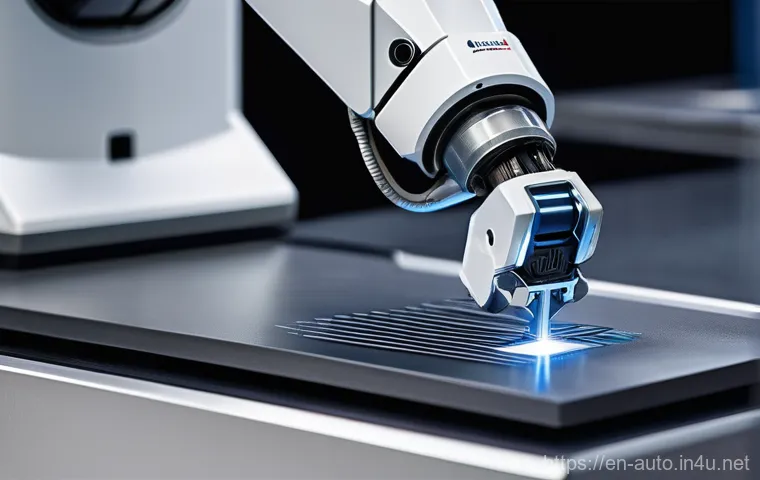
Flawless Repetition: The Secret to Perfection
If there’s one thing robots absolutely excel at, it’s flawless repetition. As humans, even the most meticulous among us will introduce slight variations over time due to fatigue, distraction, or simply being human.
Robots, however, execute programmed commands with micron-level precision, thousands upon thousands of times, without deviation. This unwavering consistency is the secret sauce for achieving unparalleled product quality.
I’ve personally observed manufacturing lines where components that once had a certain error tolerance due to manual assembly now come off the line almost perfectly identical, thanks to robotic automation.
This level of uniformity isn’t just a nicety; it’s a critical advantage in industries where tight tolerances and consistent performance are paramount, like aerospace or medical device manufacturing.
It’s truly amazing to see how this robotic predictability translates directly into a product that customers can consistently rely on, every single time they purchase it.
Meeting and Exceeding Customer Expectations
In today’s competitive market, customer expectations are higher than ever. They want quality, consistency, and often, customization, delivered quickly.
Industrial robots are instrumental in meeting and even exceeding these demands. Because robots ensure such high levels of product quality and consistency, businesses can confidently offer products that stand out from the competition.
This reliability builds trust and loyalty, which are invaluable assets. Furthermore, the efficiency gains from automation mean faster production cycles and quicker delivery times, which directly translates to a more satisfied customer base.
I’ve heard countless stories from business owners who reported a noticeable uptick in positive customer feedback and repeat business after implementing automation, specifically citing the improved product quality.
It’s a powerful combination: robust products produced quickly, all thanks to the steadfast performance of robotic systems.
| Feature | Manual Process | Robotic Process |
|---|---|---|
| Consistency & Precision | Variable, prone to human error | High, near-perfect repeatability |
| Production Speed | Limited by human endurance | Continuous, high-volume output |
| Safety Profile | Potential for human injury | Minimizes risk in hazardous tasks |
| Operational Costs | Higher long-term labor, waste, rework | Lower per-unit cost, reduced waste |
| Flexibility | Highly adaptable to diverse tasks | Reprogrammable, adaptable to new tasks |
Navigating Change: The Agile Advantage of Automation
Quick Pivots: Adapting to Market Swings
The business world is constantly changing, and what’s hot today might be old news tomorrow. This constant flux demands incredible agility from businesses.
Here’s where industrial robots offer a huge strategic advantage. Unlike highly specialized fixed machinery that’s expensive and time-consuming to reconfigure, many modern robots are incredibly flexible.
They can be reprogrammed relatively quickly to perform entirely new tasks or adapt to variations in product designs. I’ve personally seen companies completely retool parts of their production lines in a matter of days or weeks for a new product launch, something that would have taken months with traditional manual or fixed automation setups.
This ability to pivot quickly, to respond to new market demands or even unexpected disruptions, is invaluable. It’s like having a production line that can shapeshift, allowing you to stay ahead of trends and keep your business responsive and resilient in an ever-evolving landscape.
Customization at Scale: Personalization, Automated
We live in an age where consumers increasingly demand personalized products, but traditionally, customization often came at a hefty price and sacrificed efficiency.
Industrial robots are bridging this gap, making mass customization a very real and economically viable possibility. Because robots are so precise and easily reprogrammable, they can seamlessly switch between producing slightly different versions of a product without significant downtime or retooling.
Imagine a scenario where a robot can engrave a unique serial number, assemble a specific component variation, or paint a custom color based on individual order specifications, all on the same production line.
My experience tells me that this level of flexibility opens up entirely new business models and revenue streams. It allows businesses to cater to niche markets and individual preferences without losing the economic benefits of scale, giving them a powerful competitive edge and a direct path to higher customer satisfaction.
글을마치며
Wow, what a journey we’ve been on exploring the incredible world of industrial robots! It’s clear that these aren’t just fancy gadgets; they’re truly transformative tools that are reshaping how we do business, making everything from manufacturing to logistics smarter, safer, and more efficient.
I’ve seen with my own eyes the profound impact they have on productivity, cost savings, and even workplace morale. Embracing automation isn’t about replacing people; it’s about empowering our businesses and our teams to reach new heights, solving complex challenges and opening doors to innovations we could only dream of before.
So, whether you’re already in the game or just starting to consider your options, remember that the future of work is here, and it’s looking brighter, faster, and more precise than ever!
알아두면 쓸모 있는 정보
1. Start Small and Scale Up: Don’t feel pressured to automate your entire operation overnight. My advice? Identify a single bottleneck or a repetitive, high-risk task and implement a pilot robotic project there. This allows your team to get comfortable with the technology, iron out any kinks, and see tangible results before committing to a larger investment. It’s like testing the waters before diving in; you gain confidence and invaluable insights that guide your future automation efforts, ensuring a smoother transition and better ROI down the line. Plus, seeing that initial success really builds internal support for the next phase.
2. Invest in Your People: Automation isn’t just about machines; it’s about your workforce evolving alongside the technology. Prioritize training programs that equip your existing staff with the skills needed to program, maintain, and supervise robots. Many of the most successful implementations I’ve witnessed involved turning production line workers into robot technicians or data analysts. This not only eases concerns about job displacement but also unlocks new career paths and significantly boosts employee morale and engagement. It’s a powerful way to show your team they’re valued and an integral part of the future.
3. Maintenance is Key: Just like any valuable asset, industrial robots require consistent and proactive maintenance to ensure peak performance and longevity. Neglecting maintenance can lead to unexpected downtime, costly repairs, and a significant hit to your carefully calculated ROI. Establish a robust preventative maintenance schedule from day one, and make sure your team is trained to identify early signs of wear or potential issues. Think of it as caring for a high-performance vehicle; a little attention regularly goes a long way in preventing major breakdowns and keeping things running smoothly.
4. Data is Your Best Friend: Modern robots generate a wealth of operational data. Don’t let this go to waste! Actively collect and analyze data on robot performance, cycle times, error rates, and energy consumption. This information is a goldmine for continuous improvement, helping you further optimize processes, identify new areas for automation, and make data-driven decisions that propel your business forward. I’ve seen companies uncover surprising efficiencies just by paying close attention to the insights their robots were providing.
5. Choose the Right Partner: Selecting the right automation partner goes beyond just buying a robot. Look for integrators and manufacturers with proven expertise, excellent customer support, and a deep understanding of your specific industry and operational needs. A good partner will guide you through the entire process, from initial assessment and system design to installation, training, and ongoing support. Their experience can save you countless headaches and ensure your investment delivers the expected returns, making the journey much smoother and more successful.
중요 사항 정리
Alright, let’s bring it all home and quickly touch on the absolute core benefits we’ve explored today. Industrial robots are far more than just sophisticated machinery; they are pivotal drivers of a more productive, cost-effective, and safer operational future.
They tirelessly boost throughput, allowing businesses to meet escalating demand with consistent, high-quality output, effectively eliminating those frustrating bottlenecks we all dread.
The financial upsides extend far beyond just labor savings, encompassing significant reductions in waste, rework, and even energy consumption, leading to a much healthier bottom line.
Crucially, they transform workplaces by taking on the most dangerous tasks, drastically improving safety for human workers, and simultaneously elevating human roles to more engaging, analytical, and supervisory capacities.
Ultimately, robots ensure unparalleled quality and consistency, fulfilling and even exceeding customer expectations in today’s demanding market, while offering the agility needed to pivot quickly and embrace mass customization.
It’s truly about building a more resilient, innovative, and human-centric enterprise.
Frequently Asked Questions (FAQ) 📖
Q: So, how exactly do industrial robots help businesses save money and boost their bottom line? I mean, they look expensive, right?
A: Oh, absolutely, it’s a totally valid question! When I first started diving into this, I thought the same thing. The initial investment in industrial robots can seem hefty, but what I’ve seen firsthand is how quickly they start paying for themselves through a multitude of savings and efficiency gains.
Think about it this way: robots don’t need breaks, holidays, or even overtime pay, and they can work around the clock, 24/7, without getting tired or making mistakes.
This continuous operation significantly increases production output while dramatically reducing labor costs associated with repetitive, physically demanding, or hazardous tasks.
Beyond just labor, these automated workhorses are incredibly precise. This means less wasted material – they cut closer, weld more uniformly, and apply exact amounts of paint, leading to significant savings on raw materials and reduced scrap.
Plus, with robots handling the grunt work, you see a massive improvement in product quality and consistency, which translates to fewer defects, less rework, and happier customers.
Many companies I’ve followed report a return on investment (ROI) within just one to five years, sometimes even seeing 10-25% ROI within three to five years.
It’s a powerful equation: reduce costs, boost quality, and increase output, all adding up to a seriously healthier financial picture.
Q: Besides just cutting costs, what other major economic advantages do companies get by bringing industrial robots into their operations?
A: That’s a fantastic point because it’s so much more than just cost-cutting! While saving money is a huge driver, the broader economic advantages are truly what set businesses up for long-term success.
From my perspective, one of the biggest wins is the massive boost in productivity and efficiency. Robots can perform tasks at a much faster, consistent pace than humans, leading to increased throughput and shorter lead times.
This means businesses can churn out more products, faster, and get them to customers quicker, which is a huge competitive edge in today’s fast-paced market.
Another critical benefit is enhanced flexibility and scalability. Modern robots can be easily reprogrammed to switch between different tasks or products.
This adaptability is a game-changer when market demands shift suddenly, allowing companies to pivot quickly without massive retooling or retraining. And let’s not forget safety!
By taking over dangerous, repetitive, or unhealthy tasks, robots protect human workers, reducing workplace injuries and associated costs like worker’s compensation and lost productivity.
This allows human teams to move into more strategic, creative, and higher-value roles, truly elevating the quality of work. It creates a virtuous cycle: improved safety leads to a better work environment, which in turn fosters innovation and a more engaged workforce.
Q: With all this talk about robots taking over tasks, is it true that they’re going to eliminate tons of jobs, or do they actually create new economic opportunities?
A: Ah, the age-old question, and one I get asked a lot! It’s understandable to feel a bit of apprehension when you hear about robots in the workplace. While it’s true that industrial robots often take over repetitive, routine, and physically demanding jobs—especially in manufacturing and logistics—it’s not simply a one-to-one job replacement scenario.
In my experience, and what the research consistently shows, is that it’s more of a transformation of the job market rather than outright elimination. What we’re seeing is a clear shift.
Robots are definitely displacing some low-skilled roles, but they are simultaneously creating new, higher-skilled jobs. Think about it: someone needs to design, program, install, maintain, and troubleshoot these complex robotic systems!
These new roles often require advanced technical skills, and this opens up incredible opportunities for individuals willing to upskill and reskill. Governments, educational institutions, and businesses are increasingly focusing on training programs to prepare the workforce for these emerging jobs.
Moreover, by making industries more productive and competitive, robots can help companies grow, which in turn can lead to the creation of even more diverse job opportunities within those expanding businesses.
So, while the nature of work is evolving, it’s about adapting and leveraging these incredible machines to create a more prosperous future together, not just fearing job loss.