Hey everyone! It’s me again, diving into a topic that’s pivotal for modern manufacturers: the true financial returns of factory automation. Many only see the initial investment, but I’ve personally witnessed the incredible ROI a strategic automation plan can deliver.
From dramatically boosting efficiency and slashing operational costs to giving you a significant competitive edge, smart industrial upgrades are a genuine profit engine.
This isn’t merely about new tech; it’s about making your capital truly flourish. Ready to uncover the compelling ROI of factory automation and how your investment can genuinely pay off?
Let’s dive in and explore the specifics together!
Unlocking Unseen Efficiencies: Beyond the Assembly Line
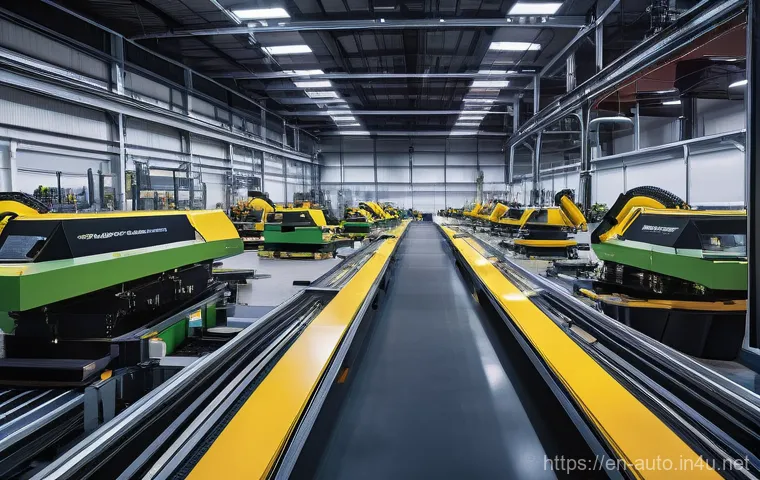
Streamlining Workflow with Robotic Precision
Okay, so let’s talk real talk about factory automation. When I first started digging into this, everyone always talked about the big, flashy robots on the assembly line, right?
And sure, those are impressive, but what really blew me away was how automation streamlines *everything* else. I’ve seen countless companies transform their entire production flow, not just the visible parts.
Think about it: a robot isn’t going to call in sick, it doesn’t need a coffee break, and it can perform repetitive tasks with an accuracy that humans simply can’t maintain over an 8-hour shift, day in and day out.
This isn’t about replacing people; it’s about making the entire operation incredibly smooth, reducing bottlenecks that we used to just accept as “part of the process.” The ripple effect of this precision is just phenomenal; it touches everything from material handling to quality control, and the cumulative impact on efficiency is often far greater than just speeding up one isolated task.
I’ve personally observed facilities where the sheer consistency of automated systems led to a dramatic drop in re-work, freeing up valuable human resources for more complex problem-solving and innovation.
It’s like discovering hidden gears in your factory that were always there but never quite meshed perfectly until automation brought them into harmony.
Minimizing Waste and Maximizing Resource Use
Beyond just speed, the precision that automation brings is a game-changer for waste reduction. I remember visiting a small manufacturing plant that produced custom metal components.
Their manual process, while skilled, inevitably led to a certain percentage of material scrap due to human error – tiny miscuts, slightly off-kilter placements, you name it.
After they integrated an automated cutting system, their material yield shot up almost overnight. The machines could optimize cuts with incredible accuracy, nesting parts much more tightly and reducing raw material waste by a significant margin.
This isn’t just about saving money on materials, though that’s a huge benefit. It’s also about optimizing your inventory, reducing disposal costs, and frankly, it feels good to be more sustainable.
From the energy consumption side, newer automated systems are designed to be incredibly energy efficient, often consuming less power for the same output compared to older, manual operations or even less advanced machinery.
It’s a win-win: less waste, more output, and often a smaller environmental footprint. When you factor in the rising costs of raw materials and energy, these seemingly small improvements quickly add up to substantial savings that hit your bottom line directly.
The Hidden Savings: Where Automation Really Shines
Cutting Down on Operational Overhead
Let’s talk money, because that’s what we’re all here for, right? While the upfront investment in automation can look daunting, the operational savings are where the real magic happens.
I’ve seen businesses slash their energy bills thanks to more efficient machinery that only runs when needed or operates at optimal power levels. Then there are the maintenance costs – yes, automated systems need maintenance, but predictive maintenance technologies mean you’re fixing things *before* they break, avoiding costly downtime and emergency repairs.
Imagine having a sensor tell you a motor bearing is about to fail next week, instead of it seizing up mid-production. That foresight is priceless! Plus, the consistent operation of automated equipment often extends the lifespan of tools and dies, further reducing recurring expenses.
It’s not just about the big-ticket items; it’s about the cumulative effect of hundreds of smaller cost reductions across the board that truly impacts your profit margins.
I’ve personally walked through facilities where the reduction in utility consumption after an automation upgrade was so significant, it almost felt like they were getting free energy.
This kind of optimization frees up capital that can then be reinvested into R&D, marketing, or even improving employee benefits, creating a positive feedback loop for your business growth.
Reducing Human Error and Rework Costs
This one is huge, and often underestimated. We’re human, and humans make mistakes – it’s just a fact of life. In manufacturing, those mistakes translate directly into rework, scrap, and lost time.
I’ve seen operations where a significant portion of their daily output ended up in the reject bin because of slight variations in manual assembly or inspection.
Introduce a robotic arm that performs the same action with micron-level precision every single time, or an automated vision system that catches defects a human eye might miss, and those error rates plummet.
The cost of rework isn’t just the material; it’s the labor, the machine time, the energy, and the delay in getting the product to market. When you virtually eliminate those errors, you’re not just saving money; you’re building a reputation for quality and reliability.
I recall a client who specialized in delicate electronic components; their scrap rate was hovering around 15% before automation. After integrating highly precise pick-and-place robots and automated testing, it dropped to under 1%!
That’s an astonishing 14% improvement directly impacting their profitability and customer satisfaction. It translates into more finished goods, fewer customer complaints, and a much smoother overall operation, which in turn reduces the need for extensive quality assurance checks post-production, further trimming costs.
Empowering Your Workforce: A New Era of Productivity
Upskilling Opportunities and Job Enrichment
Now, I know some folks worry about automation replacing jobs, and that’s a valid concern. But what I’ve consistently observed is that smart automation doesn’t eliminate jobs; it *evolves* them.
It takes away the tedious, repetitive, and often dangerous tasks, freeing up your human team for more valuable, engaging, and cerebral work. Suddenly, instead of endlessly tightening bolts, your employees are learning to program robots, maintain complex machinery, or analyze data to optimize production.
This isn’t just about training; it’s about upskilling your entire workforce, giving them more fulfilling roles and increasing their value to the company.
I’ve seen employees who were initially apprehensive become incredibly excited and proud of their new roles as robot operators or automation specialists.
It’s a huge morale booster and creates a more dynamic, intelligent workforce. This shift can actually reduce employee turnover because people feel more challenged and appreciated, and a stable, skilled workforce is incredibly valuable in today’s competitive labor market.
It also means your business becomes more adaptable, with a team capable of responding to technological advancements and market changes, rather than being stuck in outdated manual processes.
Improving Workplace Safety and Employee Morale
This is one area where the ROI isn’t always immediately financial, but its impact is profound. Many manufacturing tasks are inherently risky – think heavy lifting, exposure to dangerous chemicals, or working with high-speed machinery.
Automation can take humans out of these hazardous environments entirely. Robots can handle the heavy loads, automated systems can manage chemical dispensing, and collaborative robots can work alongside humans without posing a threat.
I’ve personally seen factories transformed from noisy, somewhat dangerous places into quieter, safer environments where employees can focus on their tasks without constant worry about injury.
A safer workplace means fewer accidents, lower insurance premiums, and reduced workers’ compensation claims – tangible financial benefits. But beyond that, it fosters a culture of care and respect for employees, which in turn boosts morale and productivity.
When your team feels safe and valued, they’re more engaged, more loyal, and more productive. It’s a ripple effect that extends far beyond the factory floor, enhancing your company’s reputation as a responsible employer.
This intangible benefit often translates into better recruitment prospects and higher retention rates, reducing the hidden costs associated with constantly hiring and training new staff.
| Benefit Category | Description | Typical Impact |
|---|---|---|
| Increased Efficiency | Automated systems perform tasks faster and with greater consistency, reducing cycle times and increasing throughput. | 20-50% improvement in production speed. |
| Cost Reduction | Lower labor costs (for repetitive tasks), reduced material waste, energy savings, and decreased rework expenses. | 5-15% reduction in operational costs. |
| Improved Quality | Precision and consistency of automated processes lead to fewer defects and higher product quality. | 50-90% reduction in error/scrap rates. |
| Enhanced Safety | Removing humans from hazardous tasks reduces workplace accidents and associated costs. | Significant decrease in injury rates and insurance premiums. |
| Scalability & Flexibility | Automated systems can be easily reprogrammed or scaled up/down to meet changing production demands. | Faster response to market changes and new product introductions. |
Gaining the Competitive Edge: Why Speed and Precision Matter
Accelerating Time to Market and Responsiveness
In today’s fast-paced market, being first or fastest often means winning. That’s where factory automation truly shines. I’ve seen businesses dramatically slash their product development and manufacturing cycles, going from concept to customer much quicker than their competitors.
This isn’t just about faster production lines; it’s about the entire ecosystem. Automated data collection and analysis provide real-time insights into production, allowing for quicker adjustments and optimizations.
If a market trend shifts, or a new product iteration is needed, an automated factory can pivot with remarkable agility. This responsiveness is a goldmine.
Imagine being able to release an updated product version weeks ahead of your rivals because your manufacturing process is streamlined and adaptable. I recall a footwear company that used automation to quickly retool their lines for new seasonal designs.
Their ability to react to fashion trends almost immediately gave them a massive advantage over competitors relying on slower, more manual changeovers.
This agility means you’re not just keeping up; you’re setting the pace, creating a reputation for innovation and rapid delivery that resonates deeply with modern consumers.
It’s about turning your factory into a responsive engine, capable of reacting to and even shaping market demand.
Delivering Consistent Quality That Builds Trust
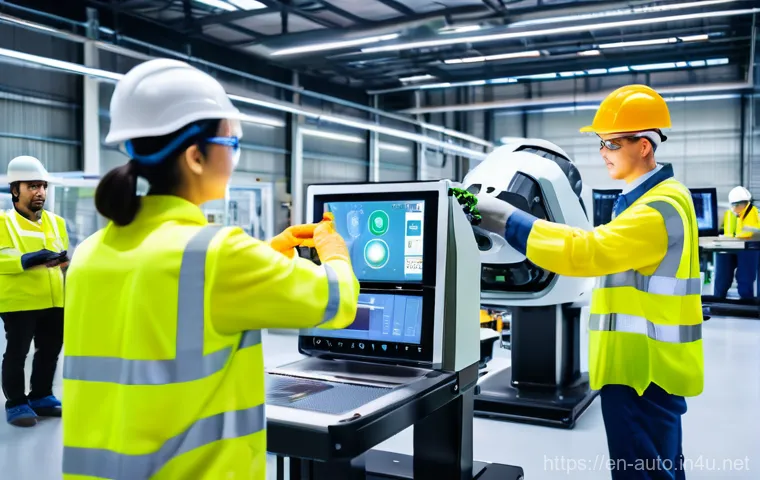
We all know that quality sells, but consistent quality builds lasting customer loyalty. Automation, by its very nature, delivers unparalleled consistency.
Unlike human operators who might experience fatigue or slight variations in technique, a robotic arm performs the exact same motion, every single time, with incredible accuracy.
This translates directly into a product that meets specifications perfectly, batch after batch, year after year. I’ve personally observed manufacturers who struggled with product consistency due to manual variations suddenly achieve near-perfect uniformity after integrating automated assembly and quality control systems.
This isn’t just about avoiding returns or warranty claims; it’s about establishing an unwavering reputation for reliability. When customers know they can count on your product to be exactly what they expect, every single time, that builds immense trust.
And in today’s crowded marketplace, trust is a premium currency. It differentiates you from competitors and justifies higher price points. This consistent quality also streamlines your supply chain, as you’re sending out fewer defective products, leading to fewer headaches for distributors and retailers, further strengthening those critical business relationships.
It’s the kind of silent advantage that speaks volumes through customer satisfaction and repeat business.
Boosting Your Bottom Line: The Revenue Generation Side of Automation
Expanding Production Capacity and Market Reach
It’s easy to focus on cost savings when we talk about automation, but let’s not forget the flip side: making more money! One of the most immediate benefits I’ve seen is the ability to significantly boost production capacity without necessarily expanding your physical footprint or workforce proportionally.
Automated lines can run 24/7 if needed, handling volumes that would be impossible with manual labor. This increased capacity means you can take on more orders, enter new markets, or simply meet growing demand without breaking a sweat.
I visited a small beverage bottler who was constantly hitting their production ceiling, turning away potential large orders. After investing in an automated bottling and packaging line, their output literally tripled.
They could then cater to national distributors, effectively multiplying their market reach and revenue streams. It’s like unlocking a hidden growth engine within your existing factory.
This isn’t just about cranking out more widgets; it’s about the strategic implications of being able to fulfill larger contracts and scale your business without the traditional constraints of manual labor.
This increased capacity gives you incredible leverage in negotiations and allows you to capture a larger share of your target market, directly impacting your top-line revenue.
Innovating and Diversifying Product Offerings
Here’s a really exciting aspect of automation that often gets overlooked: it enables innovation. When you have flexible, programmable automated systems, you’re no longer limited by the complexity or repetitiveness that manual labor struggles with.
This means you can design and produce more intricate products, offer greater customization, or even pivot into entirely new product categories with much greater ease.
I’ve witnessed companies use their automated capabilities to introduce new product lines that were previously too complex or expensive to manufacture manually.
For instance, a bespoke furniture maker I worked with could only offer a limited range of designs due to the intricate manual carvings required. With the introduction of CNC routers and robotic finishing arms, they expanded their design catalog tenfold, offering highly customized pieces at competitive prices.
This ability to innovate and diversify isn’t just about being creative; it’s about staying relevant and capturing new segments of the market. It allows you to respond to niche demands, experiment with new materials, and push the boundaries of what’s possible in your industry, ultimately opening up entirely new revenue streams and securing your future growth.
Future-Proofing Your Operations: Long-Term Stability
Adapting to Market Fluctuations with Agility
The business world is rarely a straight line; it’s full of twists, turns, and unexpected bumps. One of the most compelling arguments for factory automation, from my perspective, is how it future-proofs your operations.
Automated systems, especially those designed with modularity and software-driven controls, are incredibly adaptable. If demand for one product dips, you can often reprogram or retool your line for another product with minimal downtime and cost.
This flexibility is a lifesaver in uncertain economic times. I’ve seen companies survive sudden shifts in consumer preference or supply chain disruptions precisely because their automated factories could pivot quickly.
This agility reduces your risk exposure significantly. Instead of being locked into a rigid production model, you can respond dynamically to market forces, ensuring your capital assets remain productive regardless of external changes.
It’s like having a factory that can change its mind and adapt to new instructions at a moment’s notice, a critical capability in today’s unpredictable global economy.
This level of adaptability ensures that your investment continues to yield returns, protecting your business against obsolescence and maintaining its competitive edge for years to come.
Building Resilience Against Labor Shortages and Supply Chain Issues
Let’s face it, finding and retaining skilled labor is a constant challenge for many manufacturers, and supply chains have proven to be surprisingly fragile in recent years.
Automation provides a powerful solution to both. By reducing your reliance on large numbers of manual laborers for repetitive tasks, you become less vulnerable to labor shortages and the rising costs associated with a tight job market.
I’ve seen factories that struggled to find enough workers for their night shifts suddenly find stability by deploying automated solutions that can run lights-out.
Furthermore, by bringing more of your production in-house through automation, you can reduce your dependence on external suppliers, especially for critical components or processes.
This nearshoring or reshoring capability built through automation significantly strengthens your supply chain, making it more robust and less susceptible to global disruptions.
This isn’t just about making things cheaper; it’s about making your entire operation more resilient and self-sufficient, ensuring business continuity even when the world throws a curveball.
It gives you greater control over your production schedule and quality, insulating you from the volatility of external factors and securing your long-term operational stability.
글을 마치며
So, as we wrap things up on this deep dive into factory automation, I hope you’ve gotten a clearer picture of just how transformative it can be. It’s truly more than just about installing machines; it’s about fundamentally rethinking how we operate, innovate, and compete.
From slashing waste to empowering our teams with more meaningful work, the ripple effects touch every corner of your business. Embracing this shift isn’t just a trend; it’s a strategic imperative for anyone looking to build a resilient, efficient, and future-ready enterprise that can thrive in tomorrow’s dynamic landscape.
It’s been an absolute game-changer for so many businesses I’ve seen, and I genuinely believe it can be for yours too.
알아두면 쓸모 있는 정보
1. Start small: Don’t feel pressured to automate everything at once. Identify bottlenecks or highly repetitive tasks for your first projects to build confidence and gather internal expertise.
2. Focus on ROI, not just technology: While shiny new tech is exciting, always tie automation investments back to clear financial or strategic benefits. What problem are you solving, and what’s the tangible return?
3. Involve your team early: Overcome potential resistance by including employees in the planning and implementation phases. Emphasize upskilling and the creation of new, more engaging roles.
4. Data is king: Automated systems generate a ton of data. Learn how to collect, analyze, and act on this information to continuously optimize your processes and make smarter business decisions.
5. Consider modular and scalable solutions: Opt for systems that can grow with your business or be reconfigured for different tasks. This flexibility ensures your investment remains valuable for years to come.
중요 사항 정리
Ultimately, factory automation isn’t just about efficiency; it’s a holistic strategy for sustainable growth. It’s about securing your competitive edge through unparalleled precision, accelerating your responsiveness to market demands, and fostering a safer, more skilled workforce.
The investment pays dividends not only in reduced costs and increased capacity but also in building brand trust and future-proofing your entire operation against unforeseen challenges.
It’s an evolution, not a revolution, and the benefits for those who embrace it are truly profound.
Frequently Asked Questions (FAQ) 📖
Q: How quickly can I actually see a return on investment (ROI) from factory automation?
A: This is the million-dollar question, isn’t it? From what I’ve personally witnessed, the timeline for seeing a tangible ROI from factory automation isn’t a one-size-fits-all answer, but it’s often much quicker than people initially expect.
Many manufacturers, especially those I’ve spoken with who’ve embraced smart upgrades, start seeing significant operational cost reductions within 12 to 24 months.
Think about it: immediate cuts in labor costs for repetitive tasks, drastically reduced error rates meaning less scrap and rework, and energy savings from optimized machinery.
I remember one client who was hesitant, but after implementing robotic welding, their material waste dropped by nearly 30% almost instantly! Beyond the direct cost savings, the boosts in production speed and consistency mean you can fulfill more orders, faster, and with higher quality.
This rapid increase in output directly translates to revenue growth. So while the full “payback period” might stretch a bit longer depending on the scale of your investment, the early signs of a positive impact on your bottom line usually appear surprisingly quickly, giving you that vital momentum.
It’s like planting a fruit tree – you don’t get a full harvest tomorrow, but you see the blossoms and early fruits pretty soon, showing you it’s working!
Q: Beyond just cutting costs, what are some of the “hidden” benefits or competitive advantages automation brings?
A: Ah, this is where the real magic happens, folks! While cost-cutting is an obvious and fantastic outcome of automation, focusing solely on that means you’re missing out on the immense strategic advantages.
In my journey, I’ve seen firsthand how automation utterly transforms a business. For starters, there’s a massive leap in product quality and consistency.
Humans, bless our hearts, make mistakes; machines, when programmed correctly, do not. This leads to fewer recalls, happier customers, and a stellar brand reputation.
Then there’s the improved worker safety – automating dangerous tasks means your team is safer and can focus on more engaging, higher-value work. I’ve seen factory floors go from hazardous to surprisingly serene!
But here’s the kicker: agility. With automated systems, you can reconfigure production lines much faster to meet changing market demands or customize products.
This flexibility is a game-changer in today’s fast-paced economy. It allows you to pivot quickly, seize new opportunities, and leave competitors who are still stuck in manual processes in the dust.
It’s not just about saving a few bucks; it’s about building a future-proof, highly responsive, and superior manufacturing operation. It truly is your secret weapon for market dominance.
Q: Is factory automation only for huge companies, or can small to medium-sized businesses (SMBs) genuinely benefit and afford it?
A: This is such a common misconception, and honestly, it really grinds my gears when people think automation is only for the big players like Fortune 500 giants!
From my personal observations and countless discussions, I can confidently say that small to medium-sized businesses (SMBs) not only can benefit but arguably need automation even more!
Think about it: SMBs often operate on tighter margins and fierce competition. Automation can be the equalizer. You don’t need a multi-million dollar full factory overhaul to start.
I’ve worked with businesses that began with automating just one bottleneck process – maybe a packaging line, or a specific assembly task – and the ripple effect on their efficiency and profitability was incredible.
The cost of entry for automation solutions has also dropped dramatically over the years. We’re seeing more collaborative robots (cobots), modular systems, and flexible financing options that make it accessible for businesses with smaller budgets.
Plus, for an SMB, even a modest boost in efficiency or quality can mean the difference between struggling and thriving. It allows them to scale without proportionally scaling labor costs, attract skilled workers by offering more engaging roles, and compete on a playing field that was once reserved for larger entities.
So, absolutely not! Automation is a powerful tool for businesses of all sizes, and for many SMBs, it’s not just a luxury, it’s becoming a necessity to stay competitive and grow.